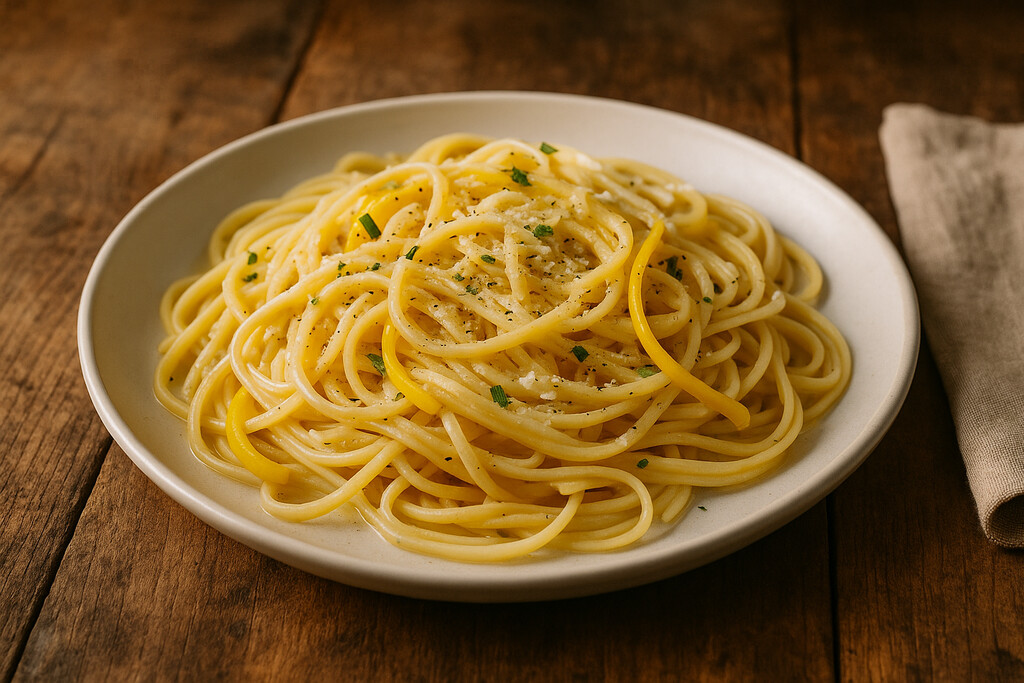
Squash linguine


Ingredients
- 350g Butternut Squash
- 3 cloves Garlic
- 3 tbs Olive Oil
- 350g Linguine Pasta
- Small bunch Sage
Instructions
- Preheat the oven to 200°C / 180°C fan. Peel and chop the squash into chunks and peel the garlic. Place both on a baking tray, drizzle with olive oil, toss to coat and roast for 35–40 minutes until very soft. Season to taste.
- Meanwhile, cook the linguine in a large pot of well-salted boiling water until al dente, following the packet instructions. Reserve some of the cooking water, then drain.
- Transfer the roasted squash and garlic to a deep container. Add about 400 ml of the reserved pasta water and blend with a stick blender until smooth and creamy.
- Heat a little olive oil in a wide frying pan over medium heat. Fry the sage leaves briefly until crisp, then remove and drain on kitchen paper.
- Add the cooked linguine to the pan along with the squash sauce and warm through, tossing gently to coat. Add more pasta water if needed to loosen the sauce.
- Divide between plates, scatter with the crispy sage and serve immediately.
Tips
- Roast the squash until the edges are caramelized to add a nutty sweetness to the final pasta sauce.
- Blend half of the roasted squash with a little cream or pasta water to create a velvety sauce, and keep the other half in chunks.
- Fry fresh sage leaves in butter until crispy to use as a flavorful and aromatic garnish.
Variations
- Nutty Squash: Add toasted walnuts or pine nuts at the end for extra crunch.
- Spicy: Add a pinch of red chili flakes to the squash while roasting for a sweet-and-heat contrast.
Storage
Store the sauce and pasta separately if possible. The sauce keeps well for 3 days; add a splash of milk when reheating.
Serving Suggestions
- Garnish with plenty of freshly grated Pecorino or Parmesan cheese.
- Serve with a side of garlic-rubbed crostini.
Frequently Asked Questions
What kind of squash is best?
Butternut squash is the most common, but Honeynut or Kabocha squash provide a deeper, sweeter flavor.
Can I use pumpkin?
Yes, roasted pumpkin works perfectly as a substitute for squash in this recipe.
How do I make it vegan?
Use olive oil instead of butter and replace the cream with coconut milk or a splash of starchy pasta water.
You may also like
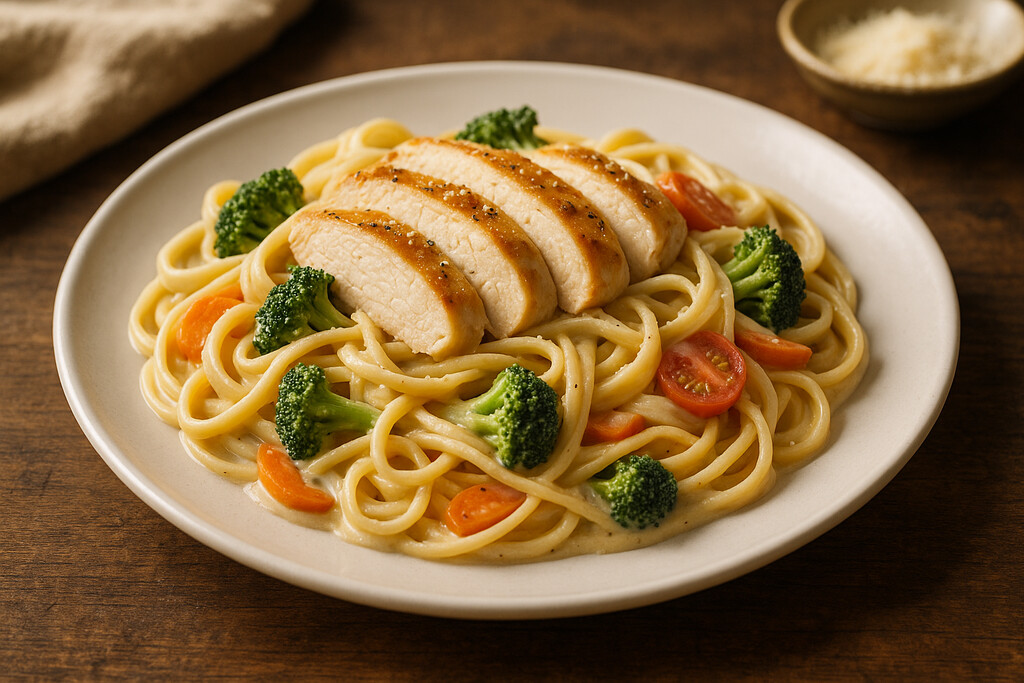
Chicken Alfredo Primavera
50 min
 50 min
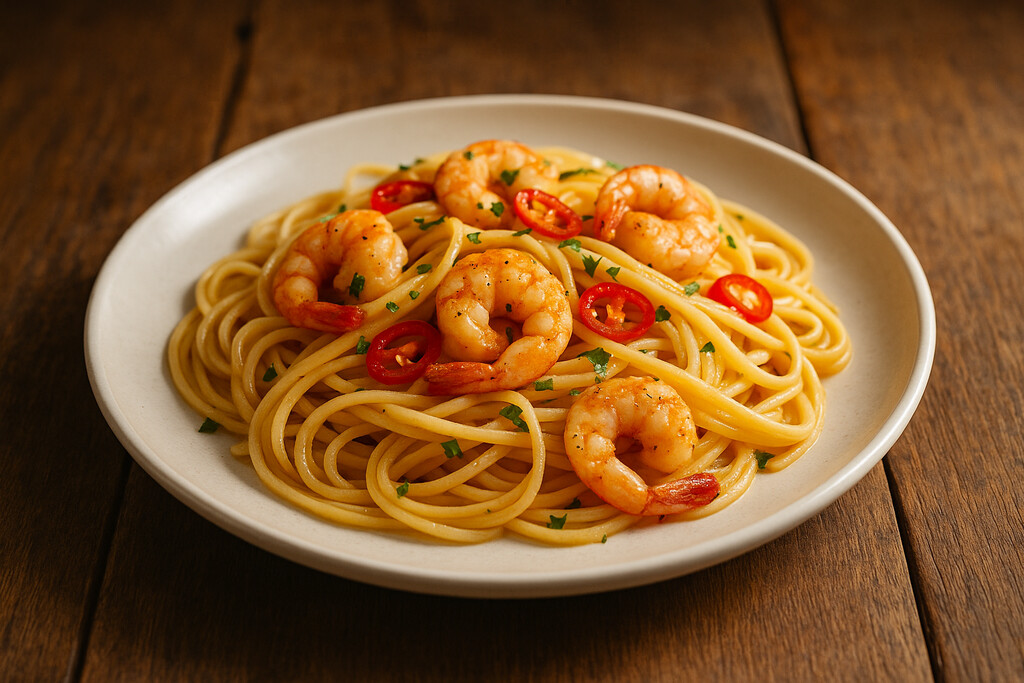
Chilli prawn linguine
35 min
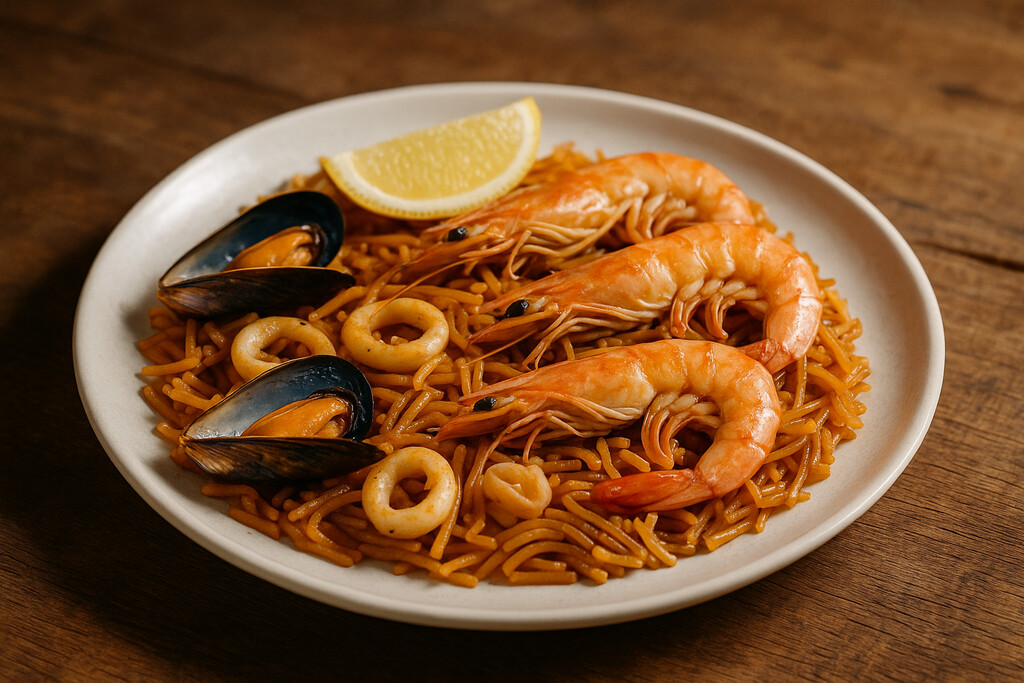
Seafood fideuà
1 h
5 min
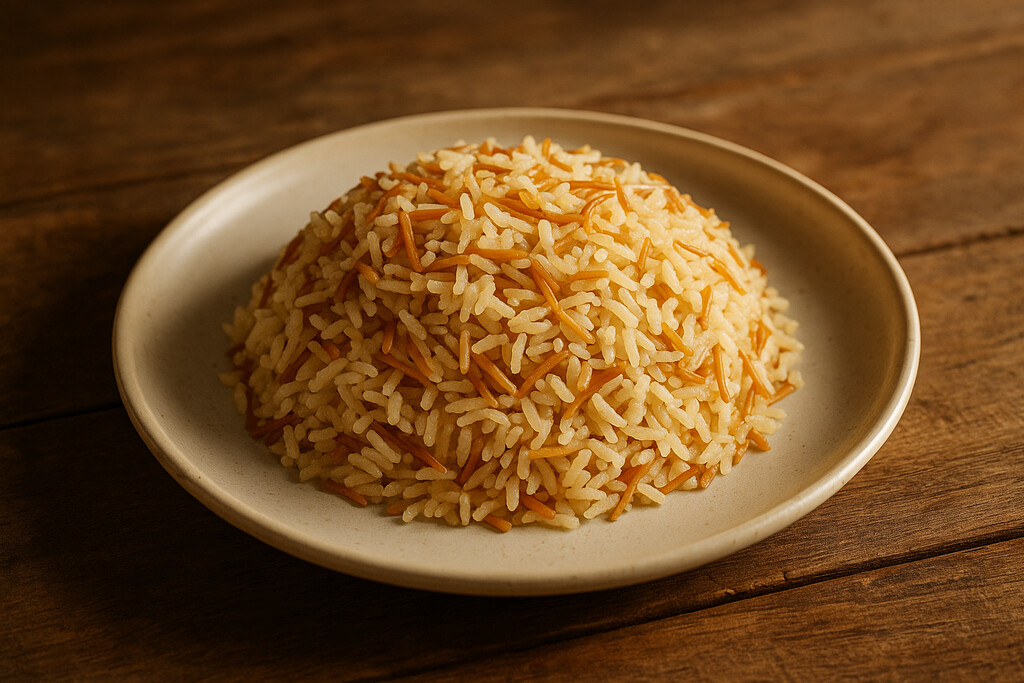
Turkish rice (vermicelli rice)
40 min
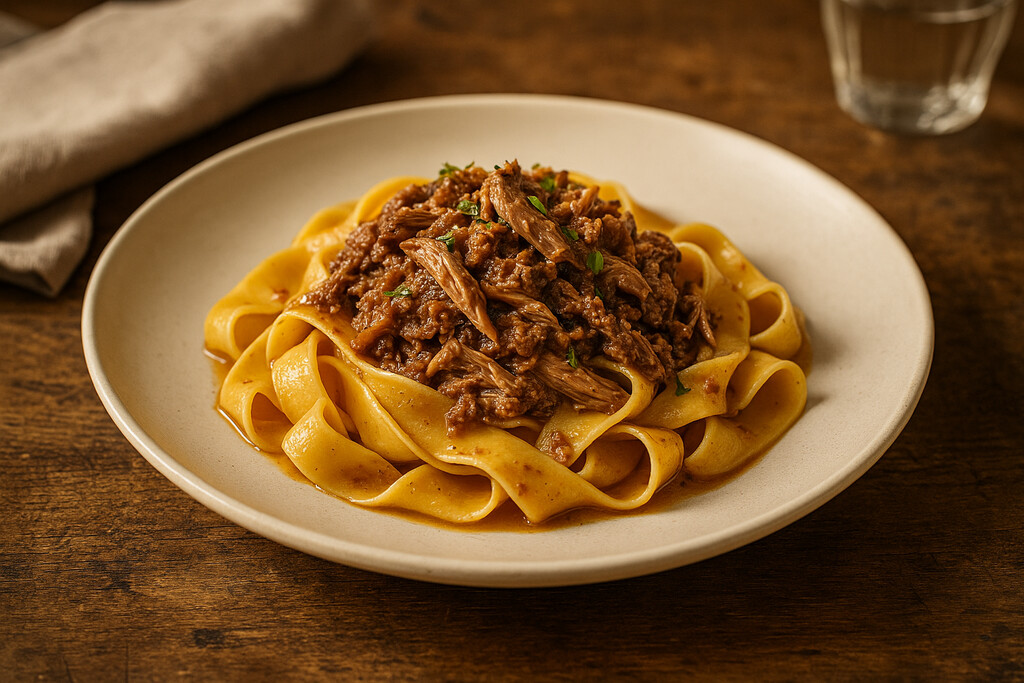
Venetian Duck Ragu
2 h
50 min
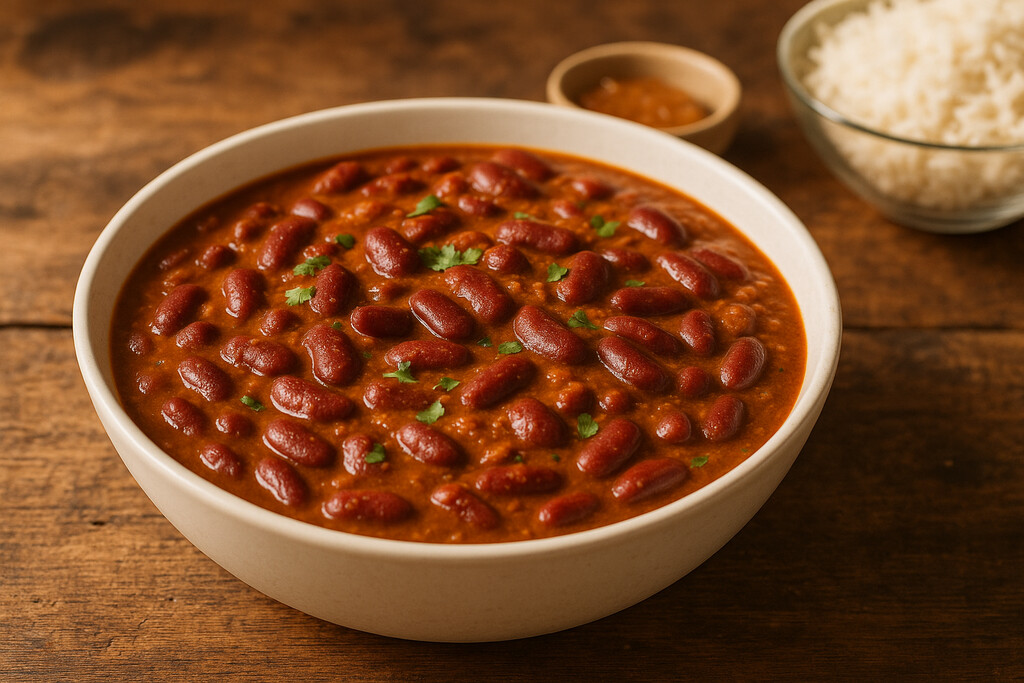
Kidney Bean Curry
33 min
Matar Paneer
40 min
Molasses Baked Beans
3 h
15 min
instructions_source: editorial-classic