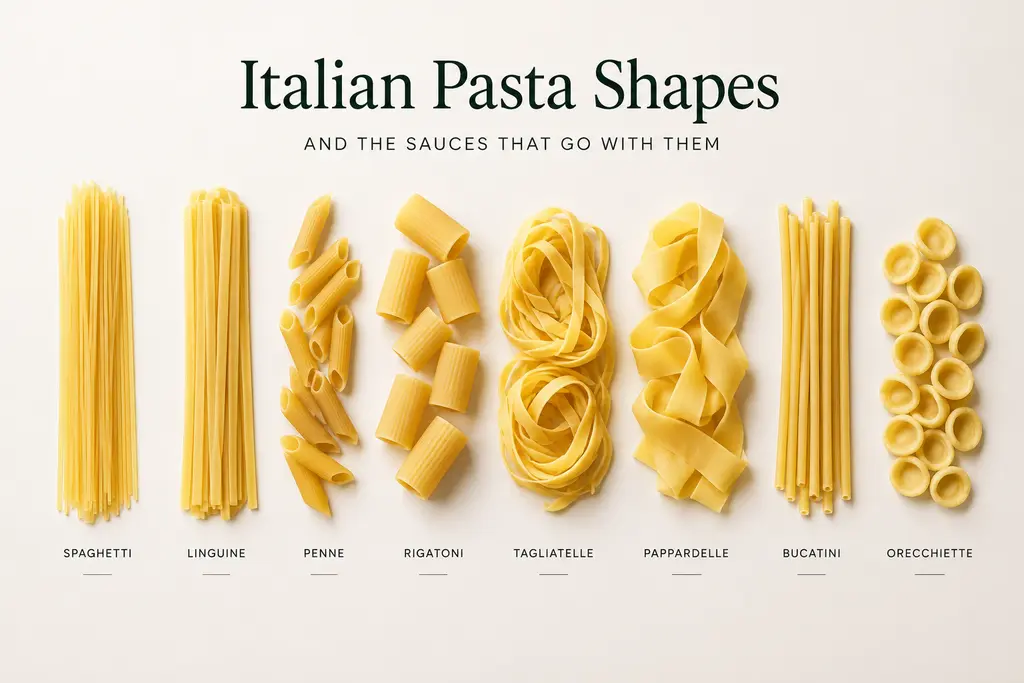
Italian Pasta Shapes and the Sauces That Go With Them
Pasta shape is more than a matter of appearance. From delicate strands to wide ribbons and ridged tubes, each shape interacts differently with sauces, textures, and ingredients.
Italian pasta shapes at a glance
In Italy, the pairing of a specific pasta shape with a particular sauce is rarely a matter of individual whim. It is a sophisticated exercise in culinary engineering. While a casual cook might view pasta as a generic canvas for any sauce, the Italian tradition treats the shape as a functional tool designed to deliver a specific texture and flavor profile. The architectural logic behind these pairings is based on how a shape’s thickness, width, surface texture, and internal hollows interact with the viscosity and particulate size of a sauce.
The mechanics of “sauce cling” are the primary driver. A smooth, round strand like spaghetti offers a limited surface area that is easily overwhelmed by heavy, chunky ingredients, whereas a wide, porous ribbon like tagliatelle provides a broad platform for rich, meat-heavy ragùs. Similarly, the ridges on tubular pastas or the concave “wells” of shaped varieties are not decorative; they are engineered traps designed to capture and hold onto thick emulsions or small vegetable morsels. Understanding these relationships is the difference between a dish where the sauce sits at the bottom of the bowl and one where every bite is perfectly balanced.
| Pasta shape | Type | Texture | Best with | Classic pairing |
|---|---|---|---|---|
| Spaghetti | Long, round strand | Smooth, firm | Light oil or tomato | Aglio, olio e peperoncino |
| Linguine | Long, flat strand | Silky, slightly chewy | Seafood or pesto | Linguine alle vongole |
| Penne | Short, ridged tube | Sturdy, hollow | Spicy or creamy tomato | Penne all’arrabbiata |
| Rigatoni | Large, ridged tube | Hearty, chewy | Chunky meat or veg | Rigatoni alla carbonara |
| Tagliatelle | Mid-wide ribbon | Soft, porous (egg) | Rich meat ragù | Tagliatelle alla bolognese |
| Pappardelle | Wide, flat ribbon | Robust, silky | Heavy game or cream | Pappardelle al cinghiale |
| Bucatini | Thick, hollow strand | Springy, “straw-like” | Bold, salty sauces | Bucatini all’amatriciana |
| Orecchiette | Small “ear” shape | Varied—firm rim | Bitter greens or sausage | Orecchiette con cime di rapa |
Spaghetti
The most recognizable pasta shape in the world, spaghetti consists of long, thin, cylindrical strands traditionally made from durum wheat semolina and water. Its name is the diminutive of spago, meaning “string.” While synonymous with Italian cuisine globally, its spiritual home is Naples. When cooked al dente, spaghetti offers a clean, firm snap that contrasts beautifully with fluid, emulsified coatings. Unlike its wider or ridged counterparts, spaghetti has a relatively low surface-area-to-volume ratio and lacks any crevices or hollows to catch heavy chunks.
Consequently, spaghetti excels when paired with light, smooth sauces that rely on oil or refined tomato bases. These sauces coat the individual strands without weighing them down or causing them to clump. In Italy, the most iconic pairings are Aglio, olio e peperoncino (garlic, oil, and chili) and Spaghetti al pomodoro. The simplicity of these sauces allows the texture of the wheat to shine. Seafood sauces, such as those made with mussels or clams, also work perfectly because the thin strands can easily move through the liquid, picking up just enough brininess and oil to remain slippery and flavorful.
The most common pairing mistake made outside of Italy is serving spaghetti with a heavy meat ragù, often incorrectly labeled “Spaghetti Bolognese.” Because the strands are smooth and round, the meat particles simply slide off and pool at the bottom of the plate, leaving the diner with plain pasta followed by a pile of meat. For a meaty sauce, the wider surface of an egg-ribbon is required.
Linguine
Often mistaken for spaghetti, linguine (meaning “little tongues”) is actually a flat, narrow strand of pasta from the coastal region of Liguria. Imagine a piece of spaghetti that has been gently pressed flat. This subtle change in geometry significantly alters its culinary performance. The flattened edges provide a slightly larger surface area for sauce to adhere to, while the elliptical cross-section gives the pasta a more luxurious, silky mouthfeel than round spaghetti.
Linguine is the undisputed king of seafood pasta. Its origins in Genoa, a major maritime hub, have permanently linked it to the sea. The flat shape allows it to glide through light, oil-rich sauces—like those found in Linguine alle vongole (clams)—carrying just the right amount of emulsified seafood liquor. It is also the traditional partner for Pesto alla Genovese. Because pesto is an emulsion of oil, cheese, and nuts, it requires the slightly wider surface of linguine to cling effectively; round spaghetti often fails to hold the textured basil flecks of an authentic pesto.
A common mistake is treating linguine and fettuccine as interchangeable. Linguine is typically a dried pasta made with water, making it sturdier and better for oily, coastal sauces. Fettuccine is often an egg-based pasta, which is more porous and better suited to heavy dairy or cream sauces. Pairing linguine with a thick Alfredo-style cream sauce is a missed opportunity, as the sauce can become too slippery on the dense, non-porous surface of the dried linguine.
Penne
Penne is a short, tubular pasta with ends cut at an angle, mimicking the nib of an old-fashioned ink pen (penna in Italian). While it comes in two varieties—Liscia (smooth) and Rigate (ridged)—the ridged version is far more popular outside of its original home. The hollow center and the external ridges serve a very practical purpose: they increase the surface area and provide mechanical “grip” for sauces that are slightly thicker or contain small bits of ingredients.
Penne is most closely associated with Central and Southern Italy. Because of its sturdy structure, it is the ideal choice for bold, spicy, or textured sauces. The classic pairing is Penne all’arrabbiata, a fiery Roman tomato sauce. The hollow tubes capture the spicy oil and tomato pulp, ensuring that the heat is delivered internally as well as externally. It also performs well in Pasta alla Vodka, where the creamy, emulsified sauce fills the tubes and clings to the ridges.
The most significant mistake cooks make is selecting Penne Liscia (smooth) for a sauce that requires grip. Without ridges, the sauce often slides off the exterior of the pasta, leaving a watery or thin result. Smooth penne is traditionally reserved for very specific, often creamy or broth-based preparations where a delicate texture is desired. Additionally, while penne is versatile, using it for very large, chunky meat ragùs is less efficient than using a wider tube like rigatoni, which has more internal space to “trap” the meat.
Rigatoni
Rigatoni are large, straight-cut tubes with deep ridges (striations) running down their length. The name comes from rigato, meaning “ridged.” Larger and more robust than penne, rigatoni is a staple of Roman cuisine and is prized for its substantial, chewy texture. Because the ends are cut straight rather than at an angle, the pasta is less likely to collapse during cooking, maintaining a large open “pipe” that can accommodate surprisingly large pieces of meat or vegetables.
This is the definitive shape for heavy, chunky sauces. In Rome, it is the traditional choice for Rigatoni con la pajata or Coda alla vaccinara (oxtail stew). More commonly, it is the perfect vehicle for a coarse Ragù alla Bolognese or a vegetable-heavy sauce like Pasta alla Norma (eggplant and tomato). The ridges act like velcro for the sauce, while the wide diameter allows the bits of meat or eggplant to get lodged inside the tube, creating a “stuffed” effect in every bite. It is also excellent for baked pasta dishes (pasta al forno) because it retains its shape under the weight of cheese and long oven times.
A common error is using rigatoni for very light, oil-based sauces like Aglio e Olio. The large, heavy tubes feel clunky and “naked” when paired with a thin oil film. The pasta-to-sauce ratio becomes skewed, resulting in a mouthful of plain dough rather than a harmonious bite. Rigatoni demands a sauce with “body” and structure.
Tagliatelle
Tagliatelle is the quintessential egg pasta of the Emilia-Romagna region. These long, flat ribbons are traditionally made by hand-rolling a rich dough of flour and eggs into a paper-thin sheet (sfoglia) and then cutting it into strips. There is even an official gold replica of a piece of tagliatelle housed in the Bologna Chamber of Commerce, stipulating that the perfect width is 8mm when cooked (approximately 1/12,270th of the height of Bologna’s Asinelli Tower).
The texture of tagliatelle is its most important feature. Because it is an egg pasta, the surface is naturally more porous and slightly rougher than dried durum wheat pasta. This porosity makes it the perfect partner for the famous Ragù alla Bolognese. The wide, flat ribbons provide a large surface for the finely minced meat and vegetables to cling to, and the egg-rich dough absorbs the fats from the sauce, integrating the two components perfectly. It is also excellent with buttery, truffle-based sauces or creamy mushroom preparations.
A frequent mistake is substituting spaghetti for tagliatelle when serving a Bolognese-style sauce. As previously mentioned, spaghetti’s round, smooth surface cannot hold the meat, whereas tagliatelle’s width and texture are specifically designed for it. Another mistake is overcooking it; because egg pasta is more delicate than dried pasta, it can turn mushy very quickly. It should always be served al dente to maintain the structure needed to carry the heavy ragù.
Pappardelle
Pappardelle are the widest of the flat ribbon pastas, traditionally measuring between 2cm and 3cm in width. Originating in Tuscany, the name comes from the verb pappare, meaning “to gobble up” with childish greed. These broad, majestic ribbons are almost always made with a high egg-to-flour ratio, giving them a rich, golden color and a silky yet substantial texture that can stand up to the most intense flavors in the Italian repertoire.
The culinary logic of pappardelle is one of scale. Because the ribbons are so wide, they are designed to be paired with heavy, “primitive” sauces that feature large chunks of protein. The classic Tuscan pairing is Pappardelle al cinghiale (wild boar ragù). The robust, gamey meat and the thick, wine-reduced sauce require the structural support of these wide ribbons. Anything narrower would simply break under the weight of the meat. Pappardelle is also the ideal choice for rich, slow-cooked stews made with hare, duck, or thick-cut porcini mushrooms.
A common mistake is using pappardelle for delicate, refined seafood sauces or light tomato bases. The massive surface area of the pasta would completely overwhelm a light sauce, leaving you with a dish that tastes primarily of egg and dough. This is a “power” pasta; it needs a partner with equal intensity. Furthermore, because of their width, the ribbons can easily stick together if not tossed immediately and thoroughly with the sauce.
Bucatini
Bucatini looks like thick spaghetti at a distance, but a closer look reveals a tiny hole running through the center of the entire strand. The name comes from buco, meaning “hole.” This straw-like geometry is a Roman specialty and one of the most technically interesting shapes in the Italian pantry. The hole isn’t just a gimmick; it allows the boiling water to cook the pasta from the inside out, resulting in a unique, springy chew that is firmer and more “muscular” than standard spaghetti.
The primary function of the hollow center is to act as a capillary for sauce. When tossed with a fluid yet savory sauce, the liquid is pulled into the center of the strand. This is why bucatini is the non-negotiable partner for Amatriciana—a spicy, smoky sauce made with guanciale (cured pork jowl), tomato, and pecorino. The rendered fat and tomato juice fill the hollows, ensuring a burst of flavor from within the pasta itself. It is also excellent for Cacio e Pepe, as the thick strands offer enough resistance to the sticky, emulsified cheese sauce.
The most common mistake is attempting to eat bucatini with a spoon or expecting it to behave like spaghetti. Because it is thicker and hollow, it is much less flexible and more prone to “flicking” sauce as you twirl it. It requires a bit more technique to handle on a fork. From a cooking perspective, a mistake is pairing it with very chunky sauces; the hole is too small for solids to enter, and the round exterior is too slippery to hold large pieces. It needs sauces that are emulsified but fluid.
Orecchiette
Orecchiette, or “little ears,” are the icon of Puglia. These small, dome-shaped discs are traditionally handmade by dragging a knife across a small piece of dough to create a curled, concave shape with a rough, textured exterior. The center is thin and tender, while the rim remains thick and chewy. This structural variation within a single piece of pasta creates a complex eating experience that is unique to the shape.
The architecture of orecchiette is designed for “scooping.” The concave center acts as a small bowl, while the rough exterior surface helps oil and small flavor particles adhere. The traditional Pugliese pairing is Orecchiette con cime di rapa (broccoli rabe), often flavored with anchovies, garlic, and chili. The “little ears” catch the tiny florets of the greens and the savory oil, ensuring a perfect ratio of vegetable to pasta in every mouthful. It is also frequently paired with small pieces of crumbled Italian sausage or meatballs, which nestle perfectly into the domes.
A common mistake is using orecchiette for smooth, creamy sauces. The unique “ear” shape is wasted on a uniform sauce; its true purpose is to provide contrast and to capture particulates. Another mistake is buying mass-produced, smooth versions of orecchiette. Without the handmade, rough texture, the pasta loses its ability to grip the oil and greens, and the “scooping” effect is diminished.
How to match pasta shapes with sauces
The art of pairing pasta and sauce is governed by a few practical principles that ensure harmony between texture, flavor, and delivery. Once you understand these mechanics, you no longer need to memorize a list of recipes; you can look at any shape and know instinctively what it needs.
Long and thin vs. Flat ribbons Long, round strands (Spaghetti, Capellini) have the least surface area and no “traps.” They need sauces that act as a lubricant—smooth, fluid, and often oil-based. Flat ribbons (Tagliatelle, Pappardelle) have a much higher surface area. This broad “shelf” allows them to carry weight. The wider the ribbon, the heavier the sauce it can support. While spaghetti moves through a sauce, a ribbon carries the sauce on its back.
Tubes and ridged shapes Tubular pastas (Penne, Rigatoni) are designed to be “stuffed” by the sauce. The internal hollow is a reservoir. If your sauce has small chunks—minced meat, peas, or diced vegetables—you want a tube large enough for those pieces to enter. Ridges (rigate) add friction, which is essential for emulsified sauces that would otherwise slide off a smooth surface.
The Mechanics of Sauce Types
- Smooth and Emulsified: Sauces like Aglio e Olio or Cacio e Pepe require long strands to create a continuous coating.
- Chunky Meat Ragù: This needs the width of a ribbon or the internal volume of a large tube to prevent the meat from separating from the pasta.
- Seafood: Coastal sauces are usually light and oily. They favor thin, non-porous strands (Linguine, Spaghetti) that don’t absorb the delicate seafood flavor but rather wear it like a cloak.
- Vegetable: If the vegetables are pureed, use a ridged tube. If they are in pieces (like broccoli or peas), use a “scoop” shape like orecchiette.
| Sauce Texture | Best Shape Category | Why it works |
|---|---|---|
| Thin/Oily | Long, round strands | Even coating without clumping |
| Creamy/Heavy | Wide, flat ribbons | Surface area prevents sauce-pooling |
| Chunky/Meaty | Large tubes or wide ribbons | Traps solids or carries weight |
| Textured/Small Bits | Cups or small hollows | “Scoops” up the ingredients |
Does pasta shape really matter?
The question of whether pasta shape genuinely changes a dish is one that often divides home cooks. To the casual observer, it’s all just flour and water. However, to a chef or an Italian traditionalist, the shape is the defining factor of the dish’s success. Changing the shape fundamentally alters the sauce-to-pasta ratio and the way the palate perceives flavor.
Sauce Adhesion and Texture A sauce that feels rich and balanced on a ridged rigatoni might feel greasy or thin on a smooth spaghetti. This is because the surface area determines how much sauce “hitches a ride” to your mouth. When you use the “wrong” shape, you end up with a bowl of naked pasta and a pool of sauce at the bottom. This isn’t just an aesthetic failure; it’s a failure of flavor delivery. The texture also plays a role—the springy chew of a bucatini offers a different sensory experience than the soft, melting texture of an egg-based tagliatelle.
The Logic of Tradition Many traditional pairings were born of regional necessity—what grew nearby was eaten with the local shape. However, centuries of trial and error have refined these into “best practices.” While you can substitute, you should do so with an eye on the mechanics. Substituting Penne for Rigatoni is usually reasonable as they share similar tubular logic. Substituting Spaghetti for Pappardelle, however, will fundamentally break the dish’s structural integrity.
Conclusion The next time you reach for a box of pasta, don’t ask what you have in the pantry—ask what your sauce is designed to do. If it’s a smooth, oily emulsion, look for a long strand. If it’s a chunky, hearty ragù, find a wide ribbon or a large, ridged tube. By choosing the right tool for the job, you aren’t just following a recipe; you are ensuring that every forkful is exactly as the cook intended—a perfect, balanced marriage of pasta and sauce.
You may also enjoy
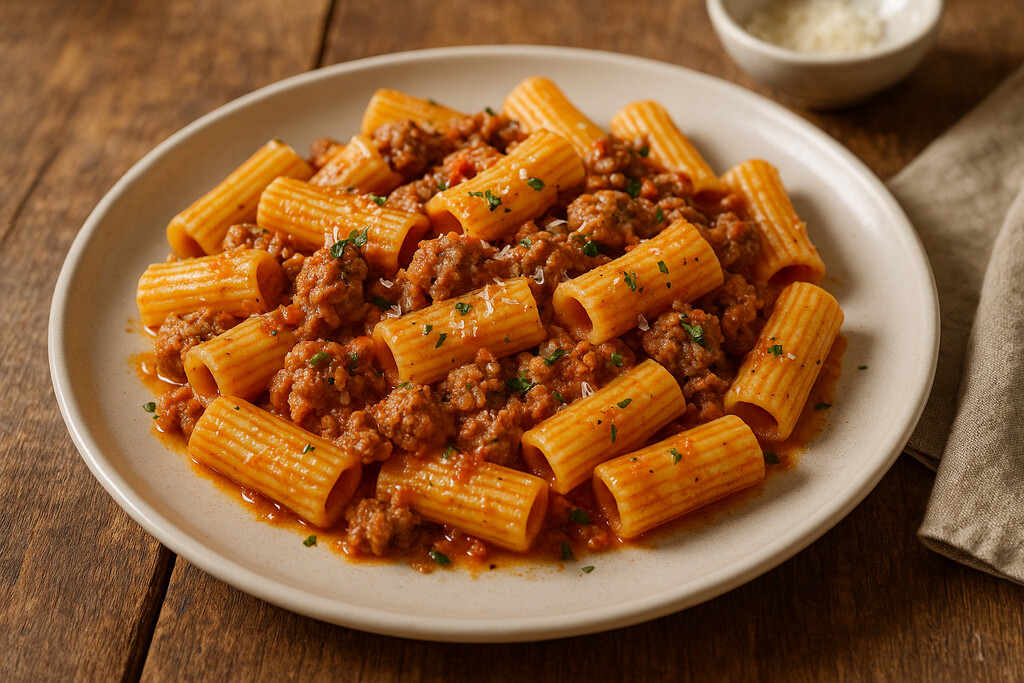
Rigatoni with fennel sausage sauce
 55 min

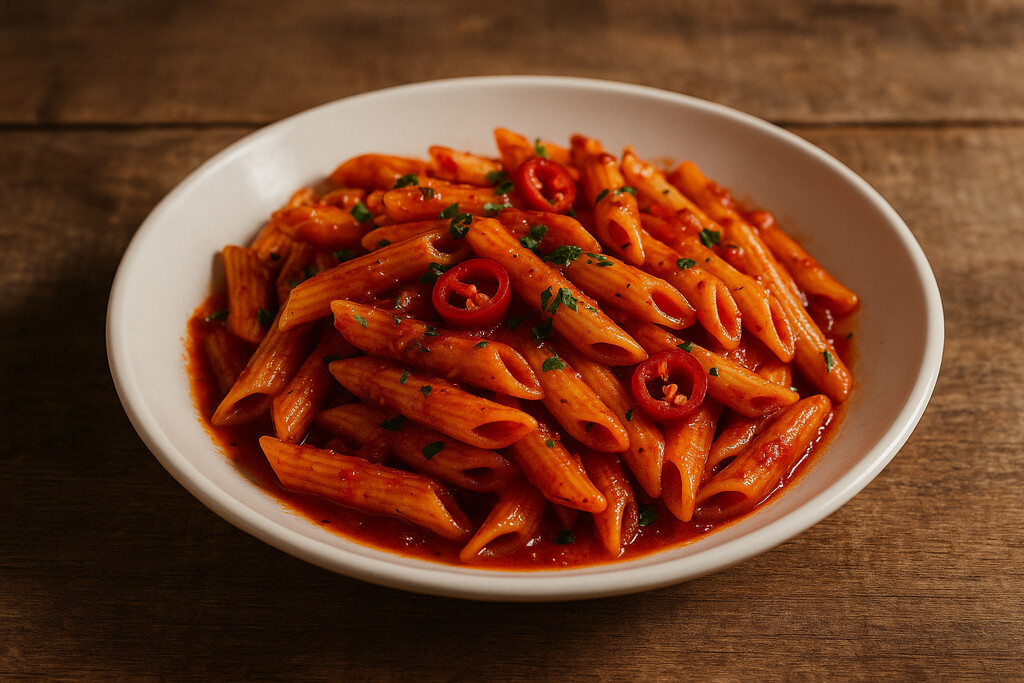
Spicy Arrabiata Penne
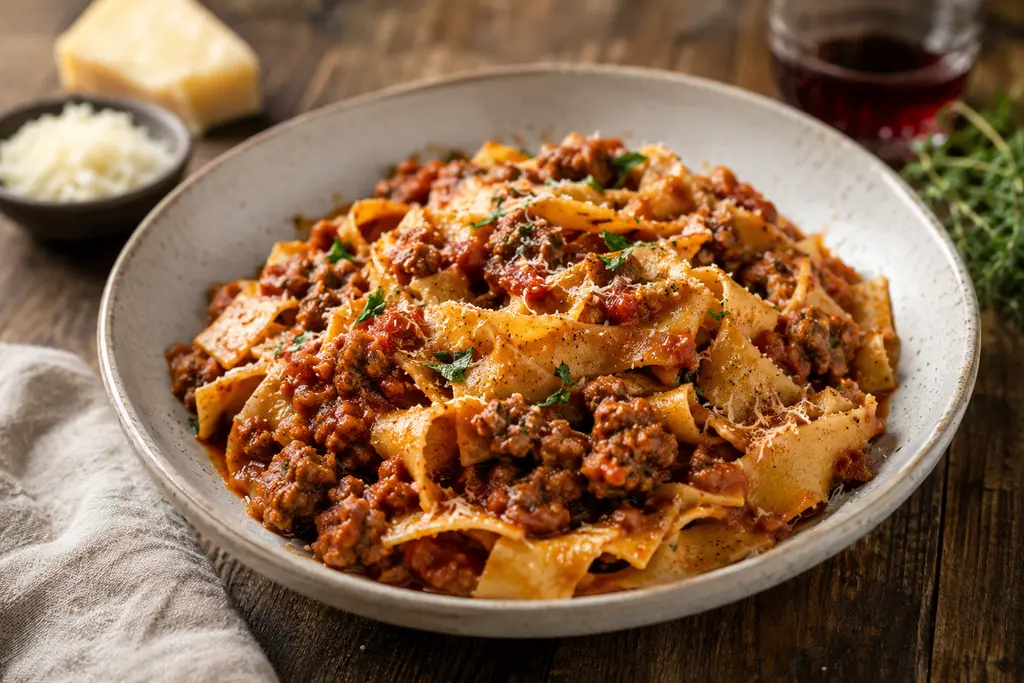
Sausage Ragù Pasta
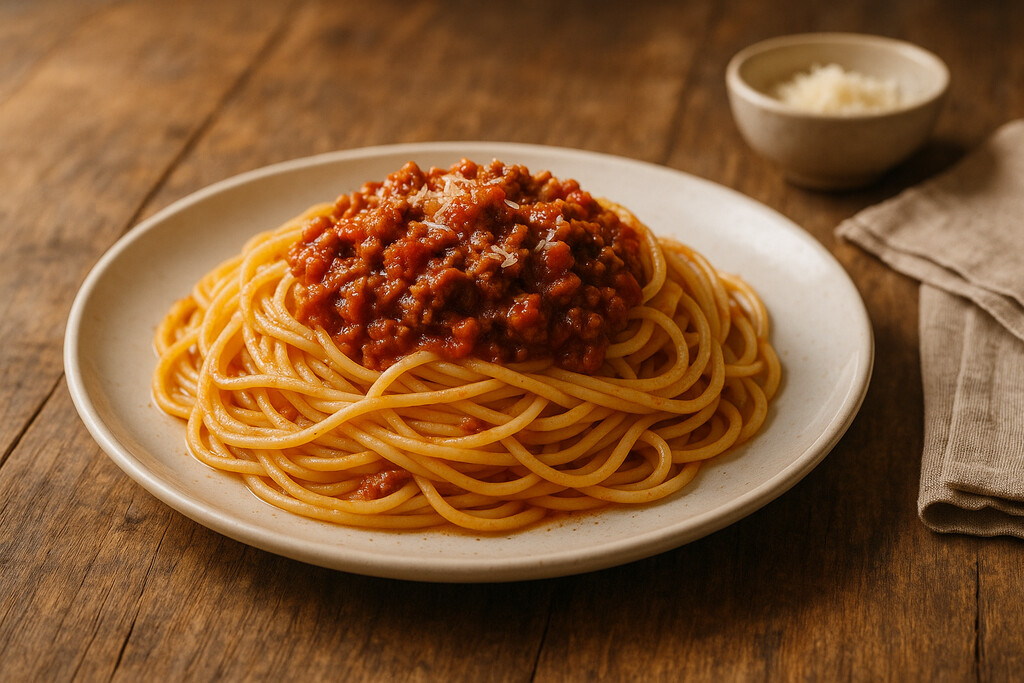
Spaghetti Bolognese
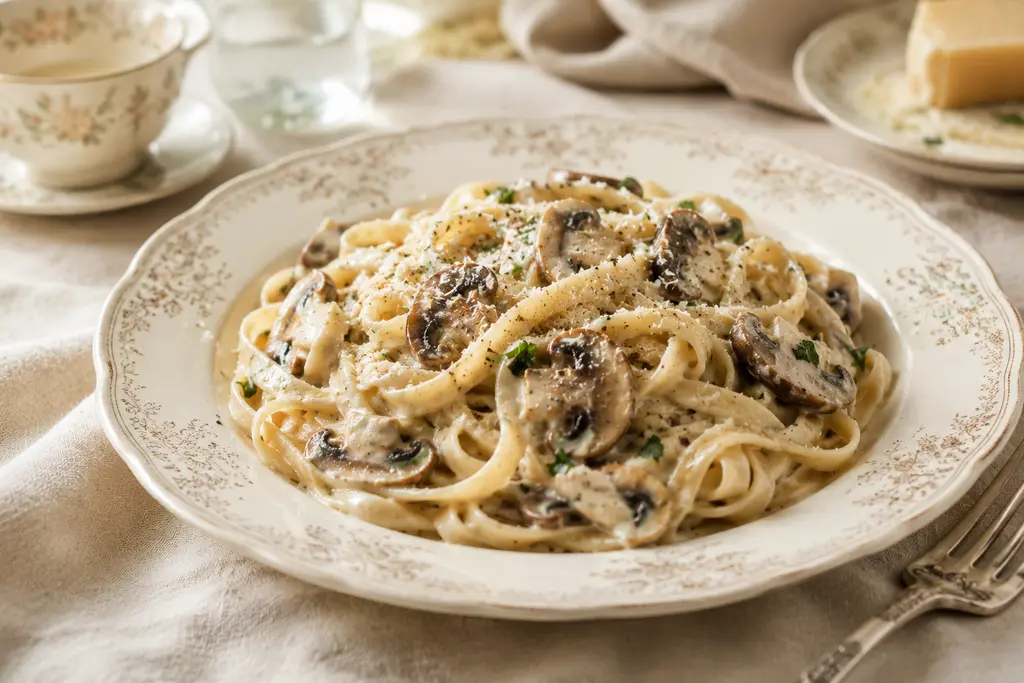
Creamy Mushroom Pasta with Sun-Dried Tomatoes
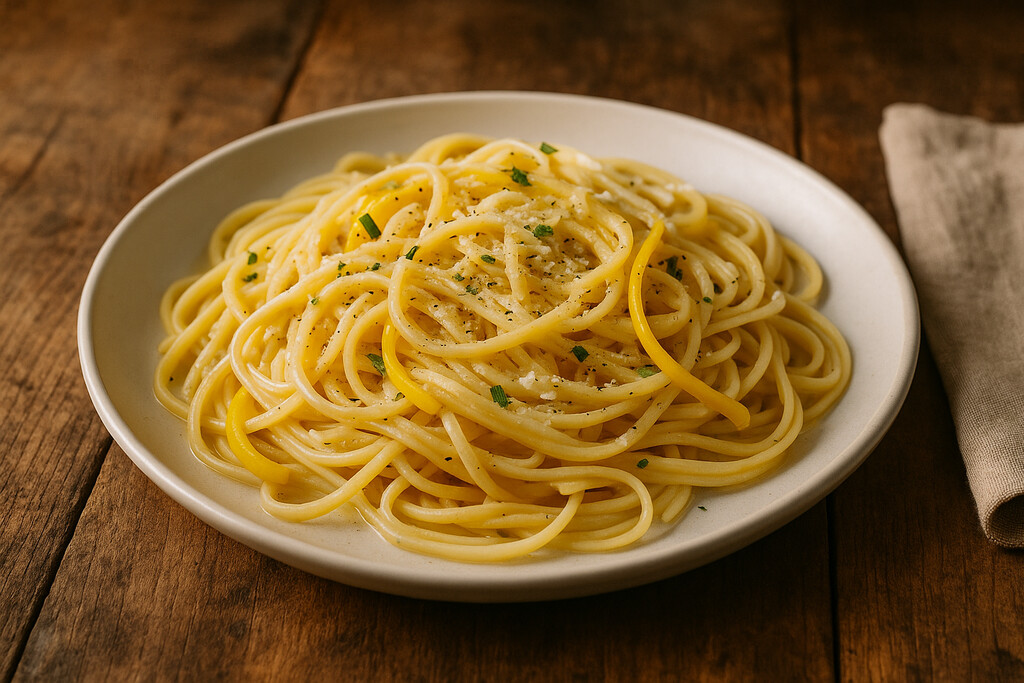
Squash linguine
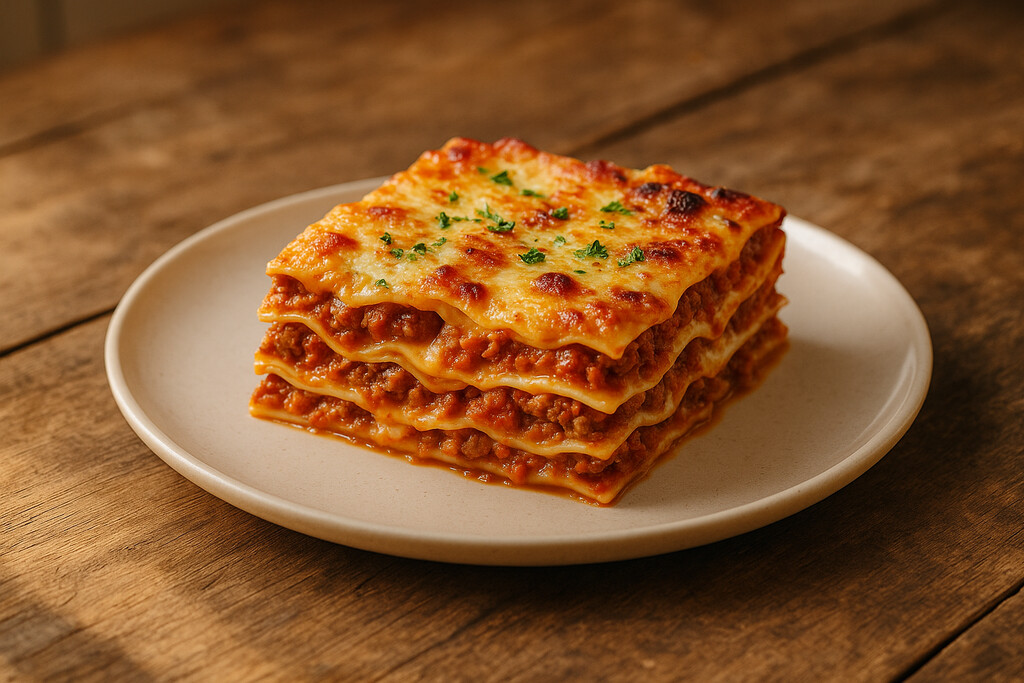
Lasagne
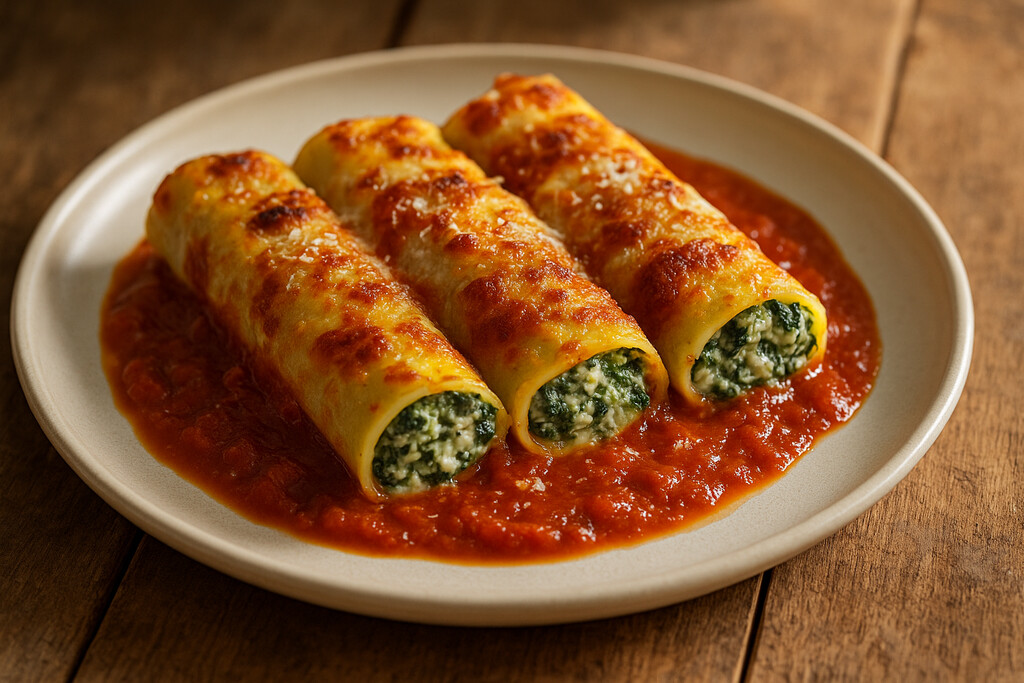
Spinach & Ricotta Cannelloni