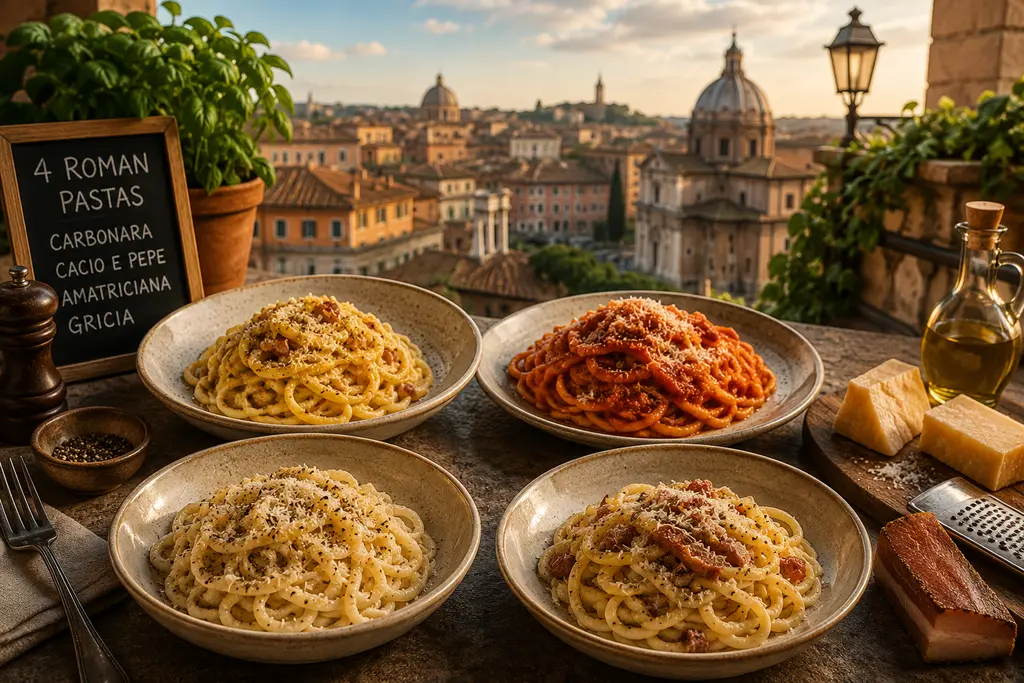
What Are the 4 Roman Pastas?
Rome’s four classic pasta dishes are built from a remarkably small group of ingredients, but each has its own history, technique, and character.
The four pastas at a glance
To understand the heart of Roman cuisine, one must look at four specific plates of pasta: Cacio e Pepe, Carbonara, Amatriciana, and Gricia. Often referred to as the “Holy Quadrinity” of the Eternal City, these dishes represent the pinnacle of cucina povera—the “cooking of the poor.” This culinary philosophy focuses on transforming a handful of humble, shelf-stable ingredients into something far greater than the sum of its parts. In Rome, greatness is achieved not through an abundance of components, but through the rigorous mastery of technique and the uncompromising quality of local staples. These four dishes share a common lineage, evolving from one another over centuries as trade routes expanded and new ingredients, like the tomato, arrived in Italy. They are built upon a foundation of Pecorino Romano—a sharp, salty sheep’s milk cheese—and the rich, cured pork jowl known as guanciale. To master these dishes is to understand the chemistry of starch and fat, the importance of pasta cooking water, and the specific rhythm of the Roman kitchen. The following table provides a high-level overview of the structural differences between these four classics.
| Pasta | Main ingredients | Uses eggs? | Uses tomato? | Cheese | Typical flavour |
|---|---|---|---|---|---|
| Cacio e Pepe | Black pepper, pasta water | No | No | Pecorino Romano | Sharp, spicy, and creamy |
| Carbonara | Guanciale, eggs, black pepper | Yes | No | Pecorino Romano | Rich, silky, and savory |
| Amatriciana | Guanciale, tomato, chili | No | Yes | Pecorino Romano | Bright, acidic, and savory |
| Gricia | Guanciale, black pepper | No | No | Pecorino Romano | Intense, porky, and salty |
Cacio e pepe
Cacio e Pepe is perhaps the most deceptive dish in the Roman repertoire. With only three primary ingredients—pasta, Pecorino Romano, and black pepper—it appears simple, yet it is notoriously difficult to master. Its history is rooted in the ancient traditions of transhumance, the seasonal movement of livestock. Shepherds moving their flocks across the Roman countryside needed ingredients that would not spoil during long journeys. Dried pasta, aged sheep’s milk cheese, and peppercorns were the perfect rations. The traditional preparation relies entirely on the interplay between finely grated Pecorino Romano and starchy pasta water. The goal is to create a “cremina”—a smooth, emulsified sauce—without the help of cream or butter, which are strictly forbidden in the authentic recipe. The process begins by toasting cracked black peppercorns in a dry pan to release their volatile oils, then adding a splash of pasta water to create a peppery base. The pasta is finished in the pan, and the cheese is added off the heat to prevent it from clumping. The flavour profile of Cacio e Pepe is defined by the sharp, salty punch of the Pecorino Romano DOP, balanced by the floral heat of the pepper. It is a dish that feels both primal and sophisticated. Because the cheese is so dominant, the quality of the Pecorino is paramount; it must be aged enough to provide a crystalline texture but not so old that it refuses to melt into a sauce. The most common mistake home cooks make is using water that is too hot when adding the cheese. If the temperature exceeds 65°C (150°F), the proteins in the Pecorino will coagulate, resulting in a stringy, rubbery mess rather than a silky sauce. Additionally, using pre-grated cheese is a recipe for failure, as the anti-caking agents prevent proper emulsification. Cacio e Pepe is a versatile dish that suits almost any occasion, but it is particularly prized as a late-night meal or a quick lunch. In Rome, it is traditionally served with tonnarelli, a thick, square-cut egg pasta that provides enough surface area for the sauce to cling to, though spaghetti is a common and acceptable substitute.
Carbonara
Carbonara is arguably the most famous Roman pasta worldwide, and yet it is also the most frequently misunderstood. Its origins are a subject of spirited debate among food historians. One popular theory suggests it was the food of the carbonari (charcoal burners), who required a hearty meal made from ingredients easily carried into the forest. Another, more contemporary theory suggests Carbonara was born in 1944, following the liberation of Rome, when Italian chefs combined the powdered eggs and bacon from American G.I. rations with local pasta and cheese. Regardless of its true genesis, Carbonara has become an untouchable icon of Roman identity. The ingredients are specific: guanciale, whole eggs (or a mix of eggs and yolks), Pecorino Romano, and an abundance of black pepper. Authentic Roman Carbonara never contains cream, garlic, or onions. The magic of the dish lies in the temperamental relationship between the eggs and the residual heat of the pasta. The eggs are whisked with the cheese and pepper, then tossed with the hot pasta and rendered guanciale fat away from the direct flame. The flavour profile is incredibly rich and luxurious. The guanciale provides a deep, funky saltiness and a textural contrast between the crispy exterior and melting fat of the pork. The eggs create a custard-like coating that should be glossy and fluid, never scrambled. The black pepper cuts through the fat, providing a necessary bite that prevents the dish from feeling overly heavy. Common mistakes include “scrambling” the sauce by adding the egg mixture to a pan that is still on the heat, or using pancetta instead of guanciale. While pancetta is an acceptable substitute in a pinch, it lacks the depth of flavor provided by the cured pork jowl and the characteristic notes of black pepper and garlic used in the guanciale curing process. Carbonara is a dish for those seeking comfort and decadence. It is a robust meal that requires no accompaniment, traditionally served with spaghetti or rigatoni. It is best enjoyed immediately; as it cools, the sauce thickens and loses its signature silkiness.
Amatriciana
Amatriciana represents the moment Roman pasta met the New World. While its predecessor, Gricia, had existed for centuries, Amatriciana only emerged after the tomato became a staple of Italian cooking in the late 18th and early 19th centuries. The dish originated in the town of Amatrice, in the mountainous Rieti region northeast of Rome. As residents of Amatrice moved to the capital to find work, they brought their recipe with them, eventually cementing it as a cornerstone of Roman trattoria culture. The preparation begins with guanciale, which is sautéed until the fat renders out and the meat becomes golden and crisp. Most traditionalists add a splash of white wine to deglaze the pan before adding high-quality peeled tomatoes (ideally San Marzano) and a pinch of dried chili (peperoncino). The sauce is simmered until thickened, then tossed with pasta and a generous dusting of Pecorino Romano. The flavour profile of Amatriciana is a masterclass in balance. You have the acidity and sweetness of the tomato, the richness of the pork fat, the sharp salt of the cheese, and a gentle, lingering heat from the chili. It is more vibrant and “bright” than its counterparts, making it feel slightly lighter despite the presence of guanciale. A common mistake is the inclusion of onions or garlic. While some historical variations include onion, the official recipe protected by the municipality of Amatrice strictly forbids it. Another error is over-reducing the sauce, which can make the dish overly salty once the Pecorino is added. The sauce should be thick enough to coat the pasta but still retain some moisture from the tomatoes. Amatriciana is the quintessential Sunday lunch dish. It is traditionally served with bucatini—a long, hollow, straw-like pasta. The hole in the center of the bucatini allows the tomato sauce to coat both the inside and outside of the noodle, ensuring every bite is saturated with flavour. It is a dish that rewards patience, as the sauce needs time to develop its characteristic depth.
Gricia
Pasta alla Gricia is often called the “White Amatriciana,” but to call it a variation is to ignore its status as the ancestor of the group. It is one of the oldest recipes in the Italian canon, predating the arrival of the tomato by centuries. Its name is thought to derive from the grisciani, the inhabitants of a village near Amatrice, or perhaps from the grici, the bakers who sold basic foodstuffs in Rome. It is the bridge between the simplicity of Cacio e Pepe and the complexity of Amatriciana. The ingredients are a minimalist’s dream: guanciale, Pecorino Romano, and black pepper. To prepare Gricia, the guanciale is rendered in a pan until the fat is liquid gold. A ladle of starchy pasta water is added to the fat to create an emulsion. The pasta is then tossed in this mixture, and the cheese is added at the very end. The result is a sauce that is velvety, porcine, and intensely savory. The flavour profile is concentrated and pure. Without the distraction of tomato or the richness of egg, the quality of the guanciale and Pecorino Romano takes center stage. It tastes of smoke, cured meat, and the sharp tang of sheep’s milk. It is arguably the most “Roman” of the four, reflecting the city’s historic reliance on the products of the surrounding countryside. The most frequent mistake when making Gricia is failing to create a proper emulsion. If the cook doesn’t use enough pasta water or fails to toss the pasta vigorously enough, the fat will remain separate from the water, leaving the dish feeling greasy rather than creamy. Furthermore, many cooks under-season with pepper; Gricia requires a significant amount of black pepper to balance the heavy fat content of the guanciale. Gricia is a dish for the purist. It suits those who appreciate the nuances of cured meats and the technical satisfaction of a perfectly emulsified sauce. While it can be served with spaghetti, it is most commonly paired with rigatoni or mezze maniche, as the ridges of the pasta are perfect for catching the small, crispy bits of guanciale.
How the four Roman pastas compare
While each of these four dishes has a distinct personality, they are bound by a shared DNA. They are not merely four separate recipes, but rather a progression of a single culinary idea: the marriage of pasta, Pecorino Romano, and technique. The most significant similarity is the reliance on Pecorino Romano DOP. Unlike the milder Parmigiano Reggiano used in Northern Italy, Pecorino is bold, salty, and sharp. This choice of cheese dictates the seasoning of all four dishes; salt is rarely added to the sauce itself, as the cheese and the cured meat provide more than enough. The biggest differences lie in the “modifier” ingredients that change the texture and moisture of the sauce. Carbonara uses eggs for a thick, custard-like finish; Amatriciana uses tomatoes for a saucy, acidic lift; Gricia relies on rendered fat and water; and Cacio e Pepe relies on the cheese itself to provide the body.
| Feature | Cacio e Pepe | Carbonara | Amatriciana | Gricia |
|---|---|---|---|---|
| Core Fat Source | Pecorino Romano | Guanciale & Egg | Guanciale | Guanciale |
| Moisture Source | Pasta Water | Egg & Water | Tomato Juice | Pasta Water |
| Primary Spice | Black Pepper | Black Pepper | Peperoncino | Black Pepper |
| Complexity | Minimalist | Moderate | Moderate | Minimalist |
| Texture | Silky/Thin | Thick/Creamy | Chunky/Saucy | Glossy/Coating |
All four dishes share a common technique: the “mantecatura.” This is the process of finishing the pasta in the pan with the sauce and a splash of cooking water. This final step allows the starch from the pasta to act as a natural thickener, binding the fats and liquids into a cohesive sauce. In Rome, the pasta is always cooked al dente, providing a firm “bite” that stands up to the intense flavours of the sauces. Locals view these dishes with a mixture of pride and protectiveness. In Rome, these are not just meals; they are cultural touchstones. There is a “correct” way to make them, and deviations—such as adding cream to Carbonara or onion to Amatriciana—are often viewed as a loss of heritage. They represent a connection to the land and a history of resilience.
Which Roman pasta should you try first?
Choosing which of the four Roman pastas to cook or order first depends entirely on your personal palate and your confidence in the kitchen. For the first-time visitor to Rome: Start with Carbonara. It is the most iconic representation of the city’s love for rich, satisfying flavours. It offers an immediate “wow” factor that perfectly introduces the palate to the magic of guanciale and Pecorino. For the cheese lover: Cacio e Pepe is the ultimate choice. Without the meat or tomato to distract, the nuance of the Pecorino Romano is the undisputed star. It is a pure expression of cheese in its most decadent, melted form. For the beginner cook: Amatriciana is the most forgiving of the four. Because it uses a tomato base, you don’t have to worry about the temperamental emulsions of Gricia or the risk of scrambling eggs in a Carbonara. It is a stable sauce that is difficult to ruin and always tastes excellent. For the experienced home cook: Try your hand at Cacio e Pepe. Achieving that perfect, clump-free cremina is a rite of passage for any serious cook. It requires an intuitive understanding of temperature and timing that only comes with practice. For the tomato lover: The choice is clear: Amatriciana. It is the only one of the four that features the bright acidity of tomatoes, making it the perfect bridge for those who prefer red sauces over white, fat-based ones.
Understanding these four dishes helps explain why Roman cuisine is celebrated around the world. Although they share many ingredients, each pasta has its own personality, making them well worth trying side by side.
You may also enjoy
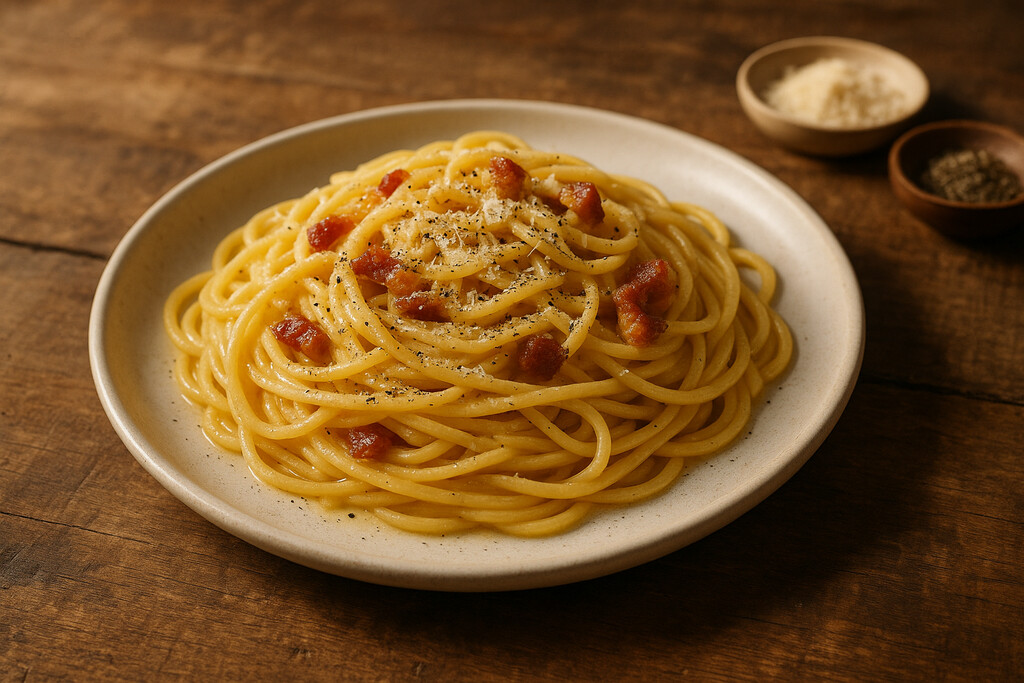
Spaghetti alla Carbonara
 35 min

Fettucine alfredo
Venetian Duck Ragu
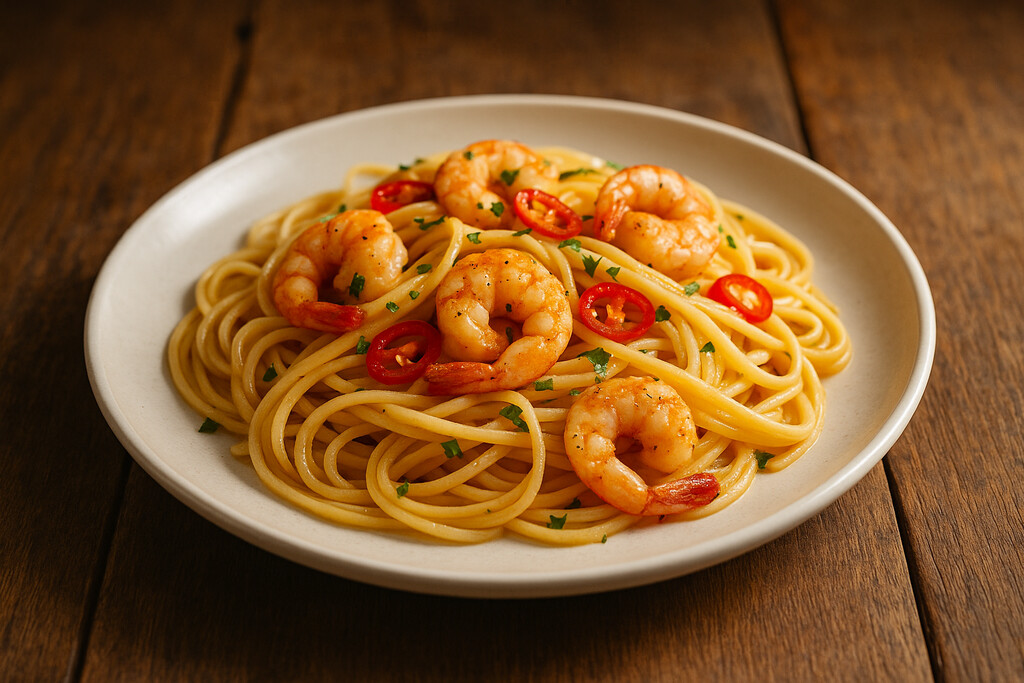
Chilli prawn linguine
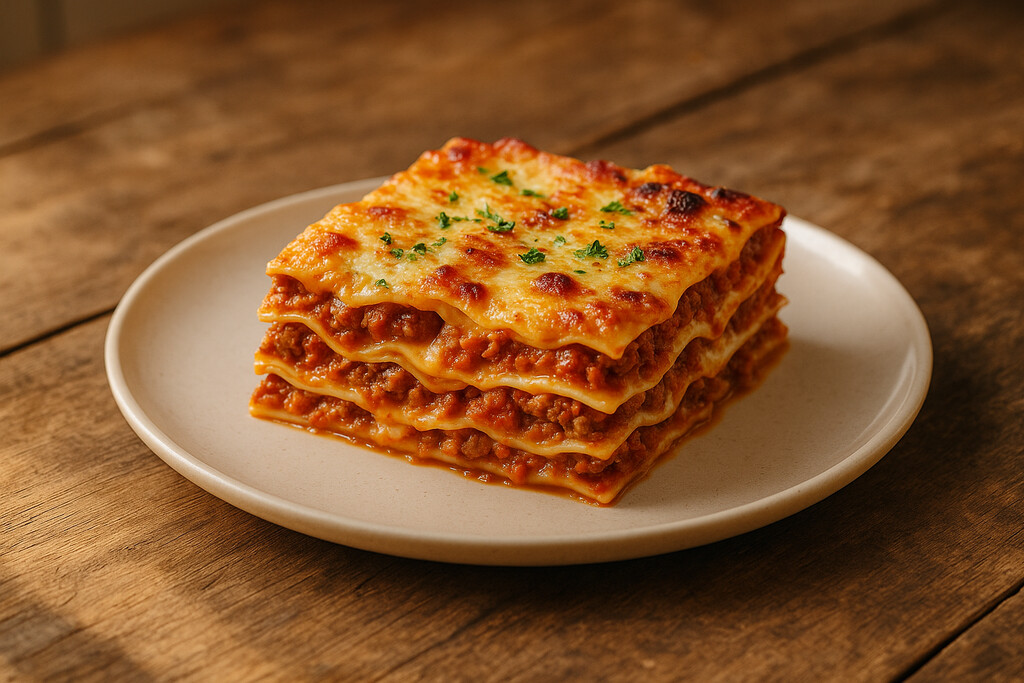
Lasagne
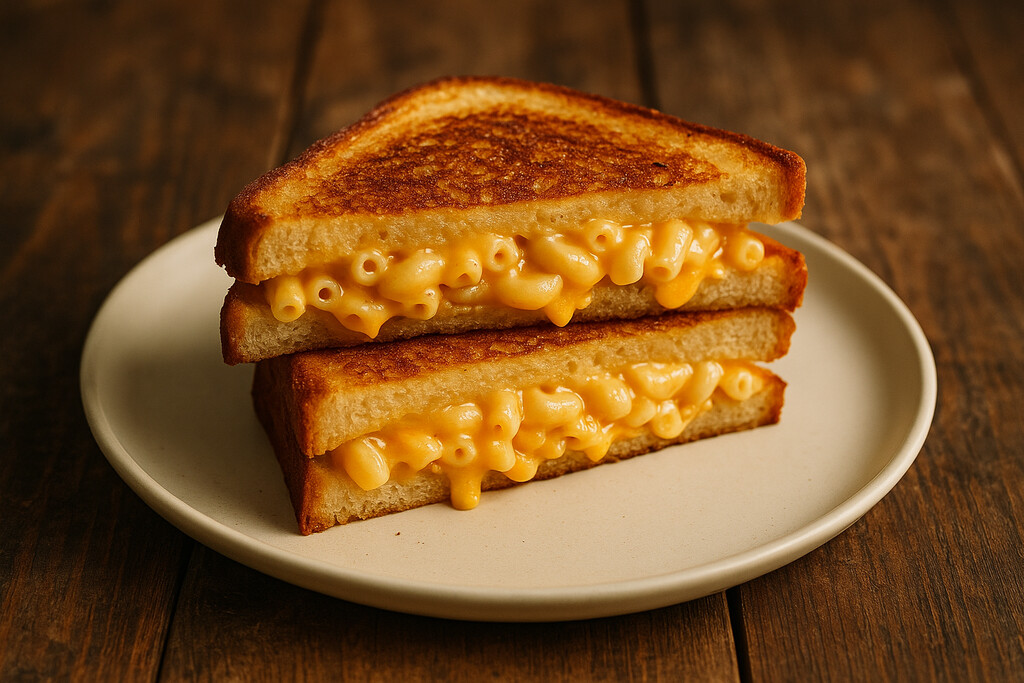
Grilled Mac and Cheese Sandwich
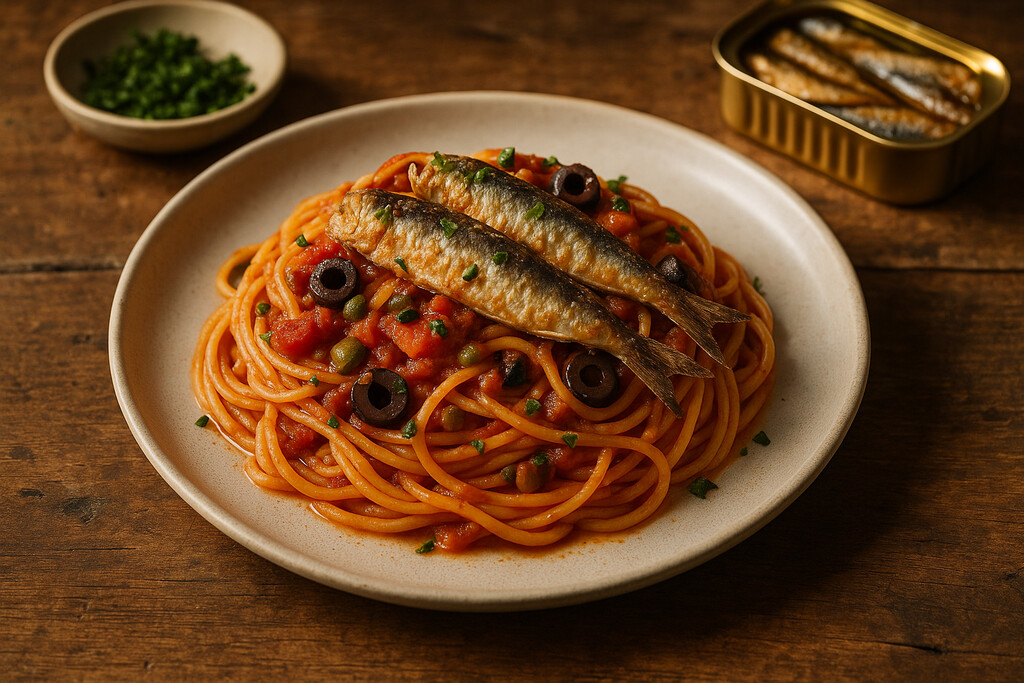
Pilchard puttanesca
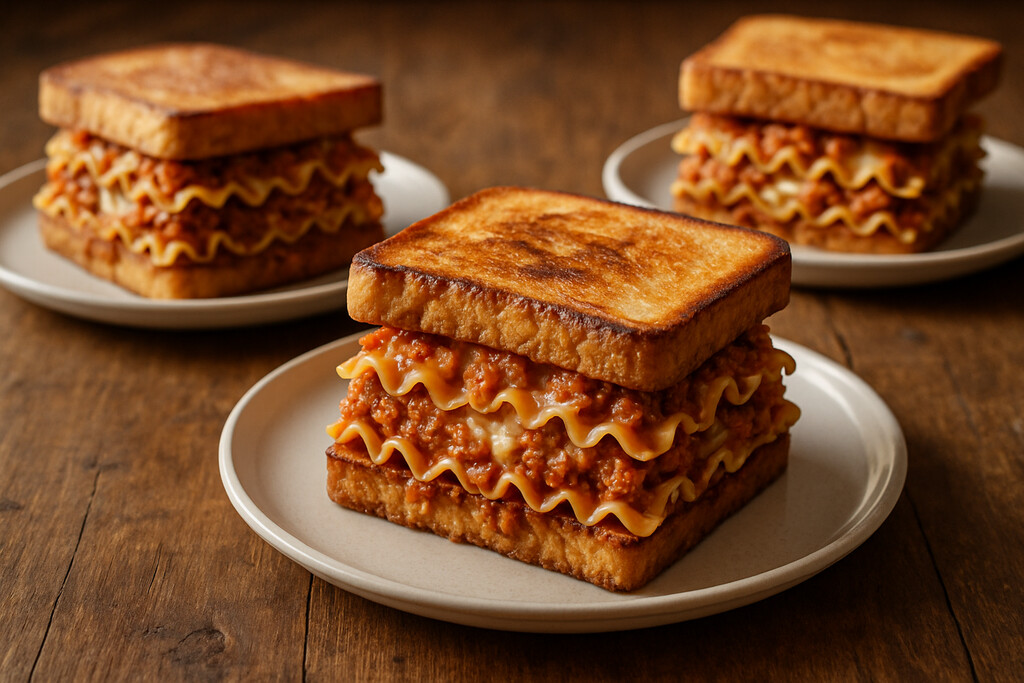
Lasagna Sandwiches