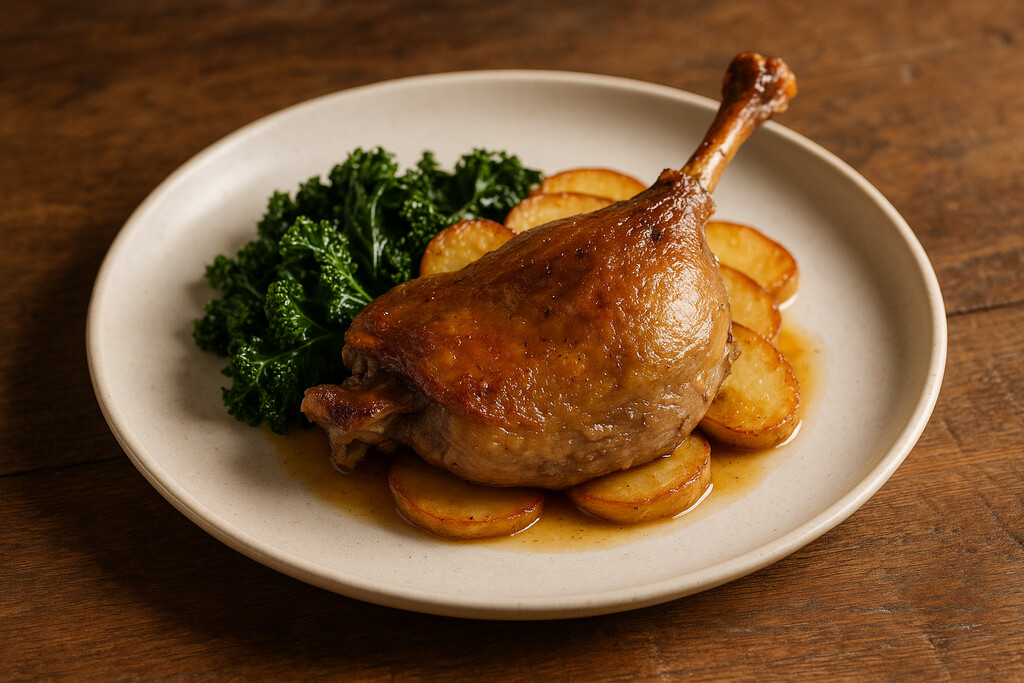
Duck Confit


Ingredients
- Handful Sea Salt
- 4 Bay Leaf
- 4 cloves Garlic
- Handful Thyme
- 4 Duck Legs
- 100ml White Wine
Instructions
- The day before cooking, scatter half of the salt, half of the garlic and half of the herbs over the base of a shallow dish. Place the duck legs on top, skin-side up, then cover with the remaining salt, garlic and herbs. Cover and refrigerate overnight, or for up to 2 days.
- Pour the white wine into a saucepan just large enough to hold the duck legs in a single layer. Brush off excess salt and herbs, then place the legs skin-side down in the wine. Cover and heat over medium heat until the wine just begins to bubble.
- Reduce the heat to the lowest setting and cook very gently for about 2 hours, checking occasionally that the liquid is barely simmering. As the duck cooks, it will release its own fat and become almost fully submerged. The meat should feel extremely tender when pressed. Remove from the heat and allow to cool.
- The duck legs can be eaten at this stage. If making ahead, pack them tightly into a container and cover with the duck fat only, leaving behind the liquid at the bottom of the pan. Cover and refrigerate for up to 1 month, or freeze for up to 3 months. Reserve the cooking liquid for gravy if desired.
- To reheat and crisp the duck, preheat the oven to 220°C / 200°C fan / Gas mark 7. Remove the legs from the fat and place them skin-side down in an ovenproof frying pan. Roast for 30–40 minutes, turning halfway through, until deeply golden and crisp. Serve immediately.
Tips
- Cure the duck legs in salt, garlic, and herbs for 24 hours before cooking to draw out moisture and season the meat deeply.
- Cook the duck completely submerged in fat at a very low temperature (around 90°C/200°F) until the meat is falling off the bone.
- Before serving, sear the duck legs in a hot pan to get the skin incredibly crispy while keeping the meat tender.
Variations
- Spiced Confit: Add star anise and cinnamon to the fat for a subtly spiced, Asian-influenced flavor.
- Chicken Confit: Use the same method with chicken legs and thighs for a more affordable but similarly delicious result.
Storage
This is a preservation method! Duck confit can be stored in the fridge, fully covered in its own fat, for several weeks. It also freezes perfectly.
Serving Suggestions
- Serve with ‘Pommes Sarladaises’—potatoes fried in the leftover duck fat with garlic and parsley.
- Shred the meat and use it in a rich salad with frisée, walnuts, and a mustard vinaigrette.
Frequently Asked Questions
Do I have to use duck fat?
Duck fat provides the best flavor, but you can use a high-quality lard or even olive oil in a pinch.
Is duck confit healthy?
It is high in fat, but the slow-cooking process renders much of the saturated fat out, and the duck fat itself is high in monounsaturated fats.
Can I reuse the duck fat?
Absolutely! Strain it and keep it in the freezer; it’s considered ’liquid gold’ for roasting potatoes and vegetables.
You may also like
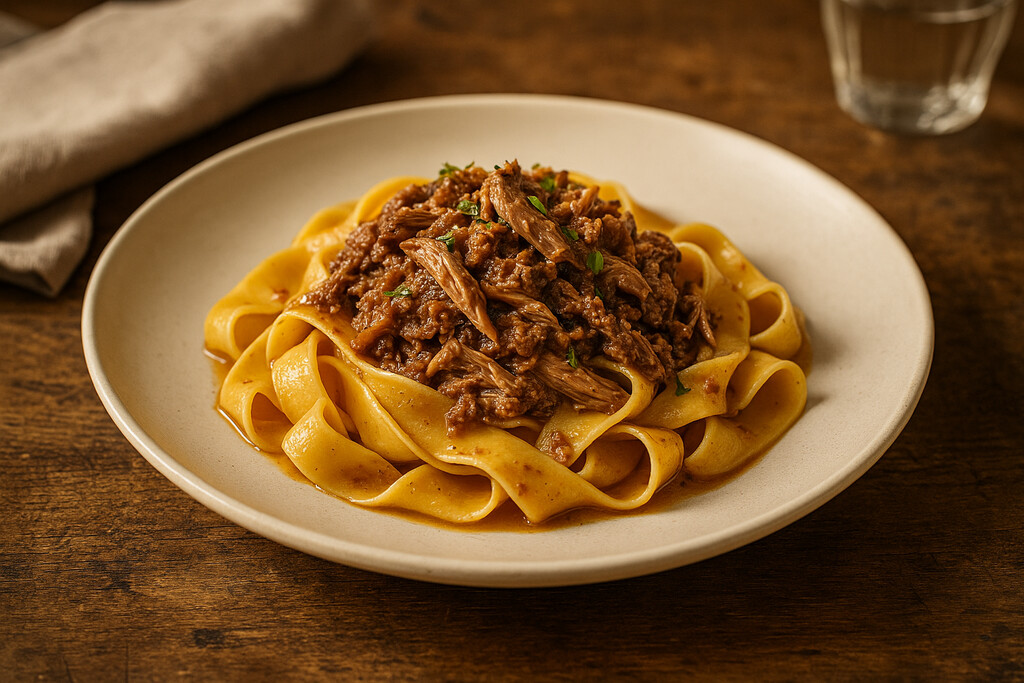
Venetian Duck Ragu
2 h
50 min
 2 h
50 min
2 h
50 min
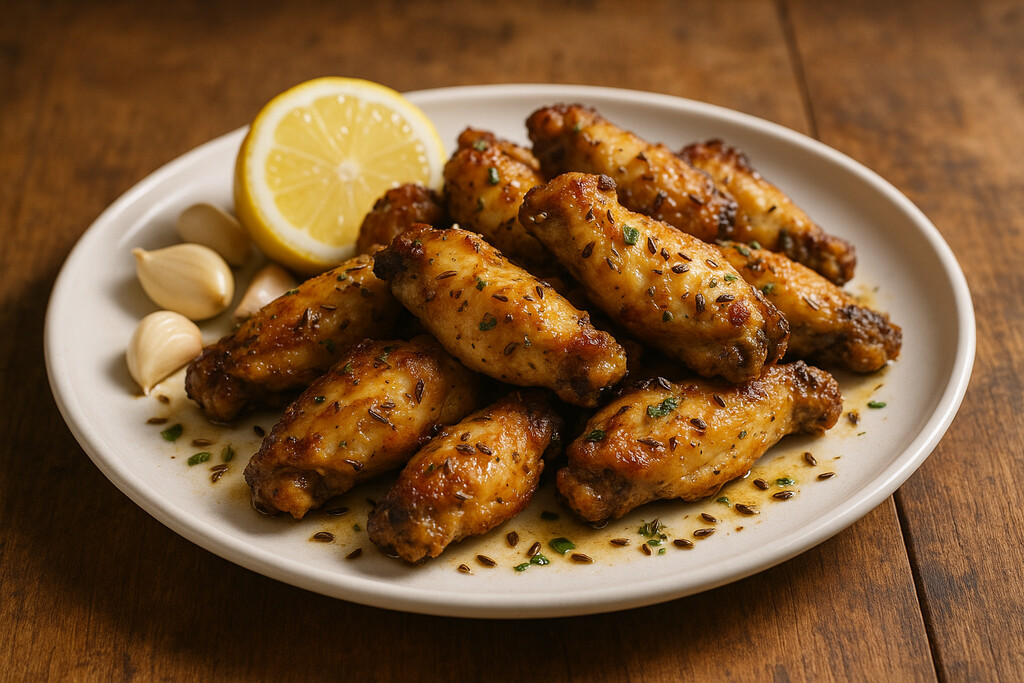
Chicken wings with cumin, lemon & garlic
55 min

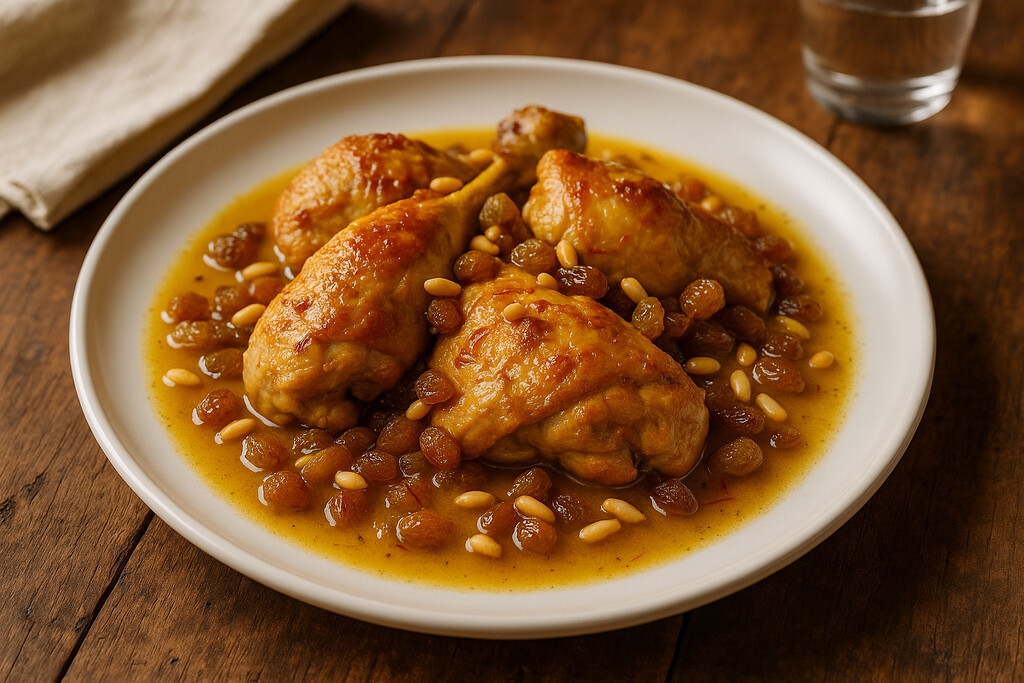
Chicken with saffron, raisins & pine nuts
1 h
10 min
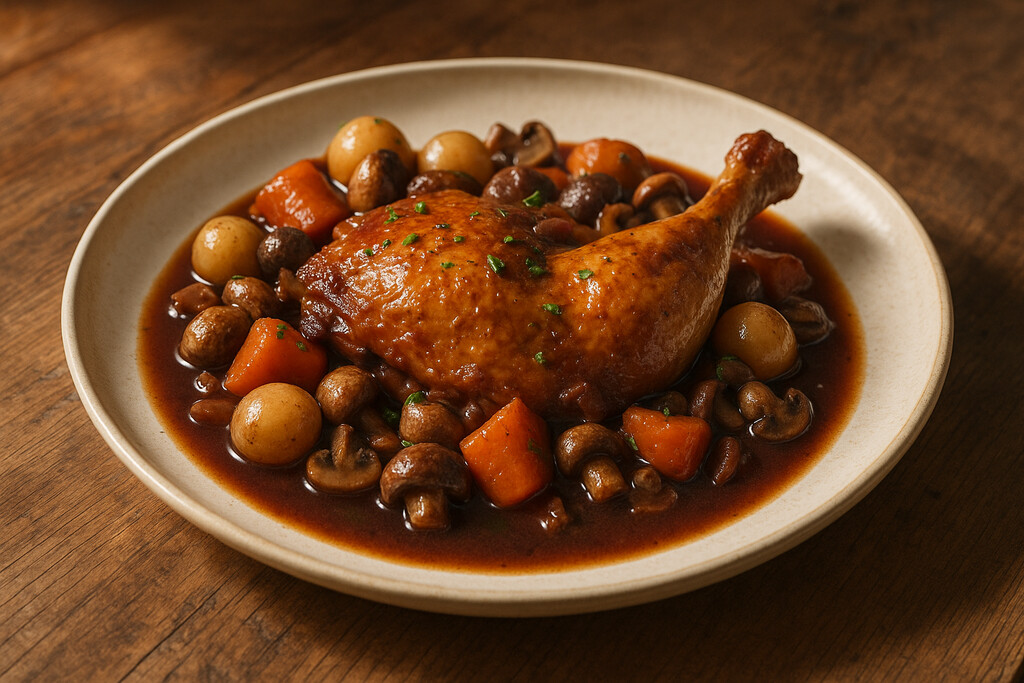
Coq au vin
1 h
10 min
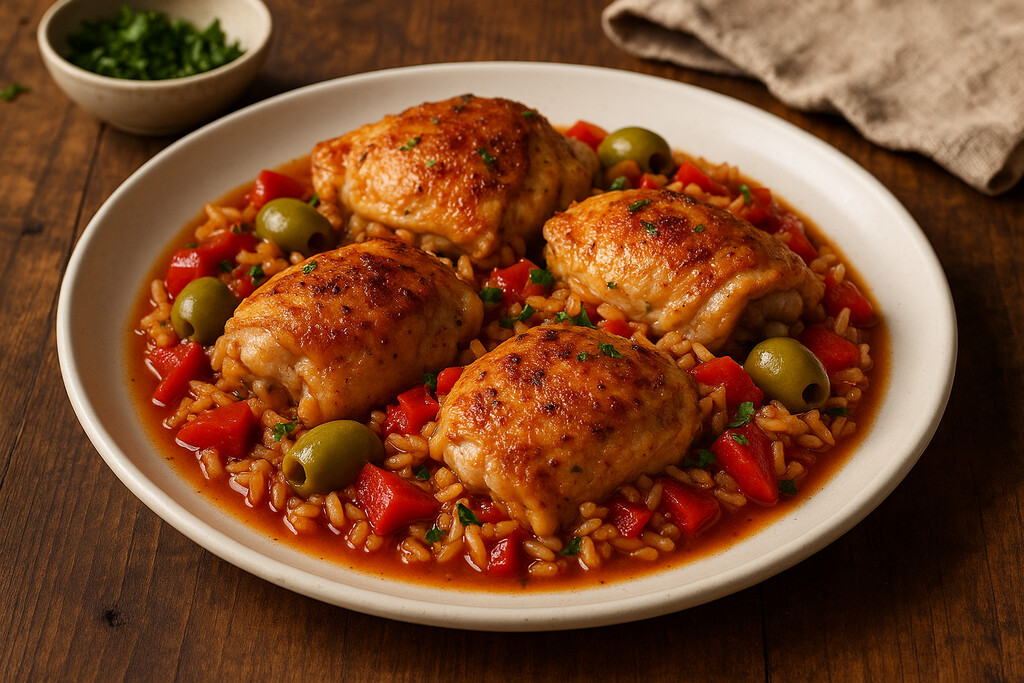
Easy Spanish chicken
1 h
20 min
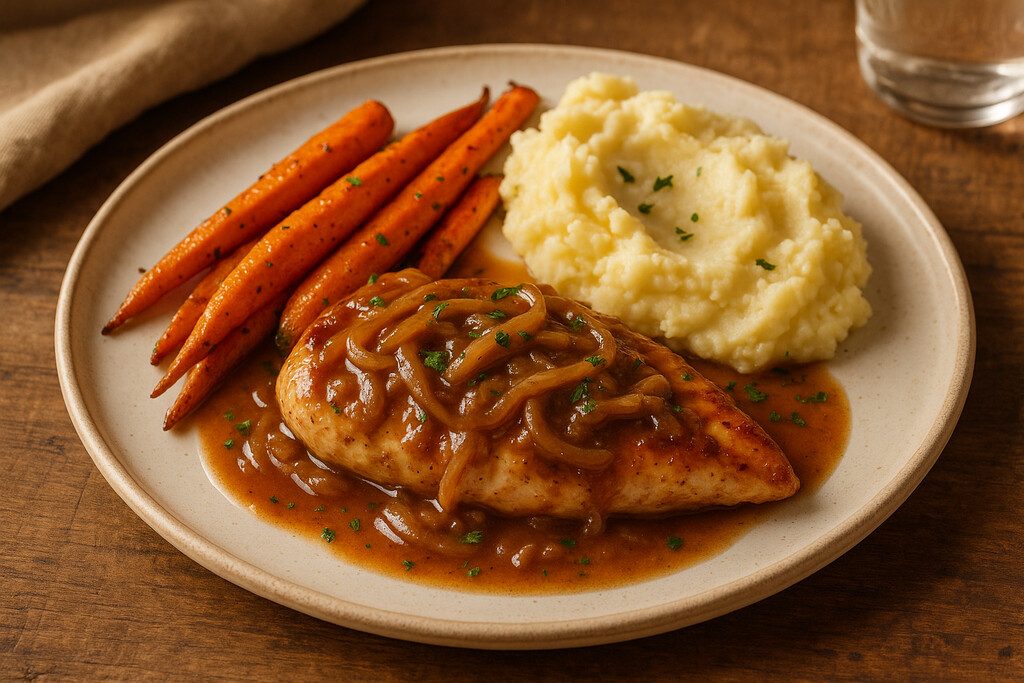
French Onion Chicken with Roasted Carrots & Mashed Potatoes
1 h
10 min
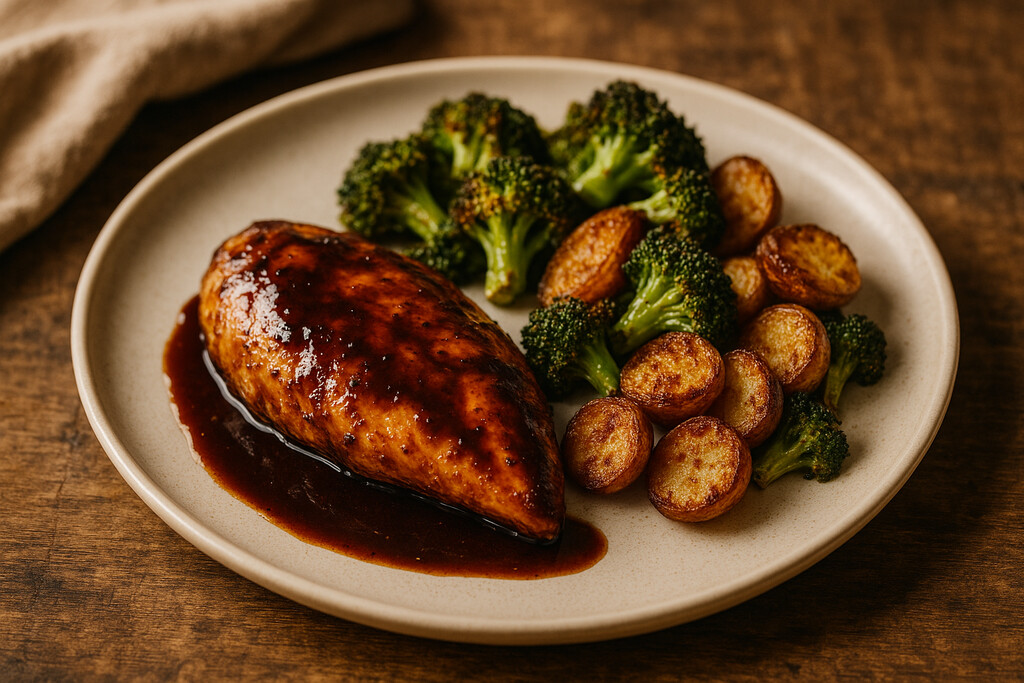
Honey Balsamic Chicken with Crispy Broccoli & Potatoes
1 h

Kentucky Fried Chicken
40 min
instructions_source: editorial-classic