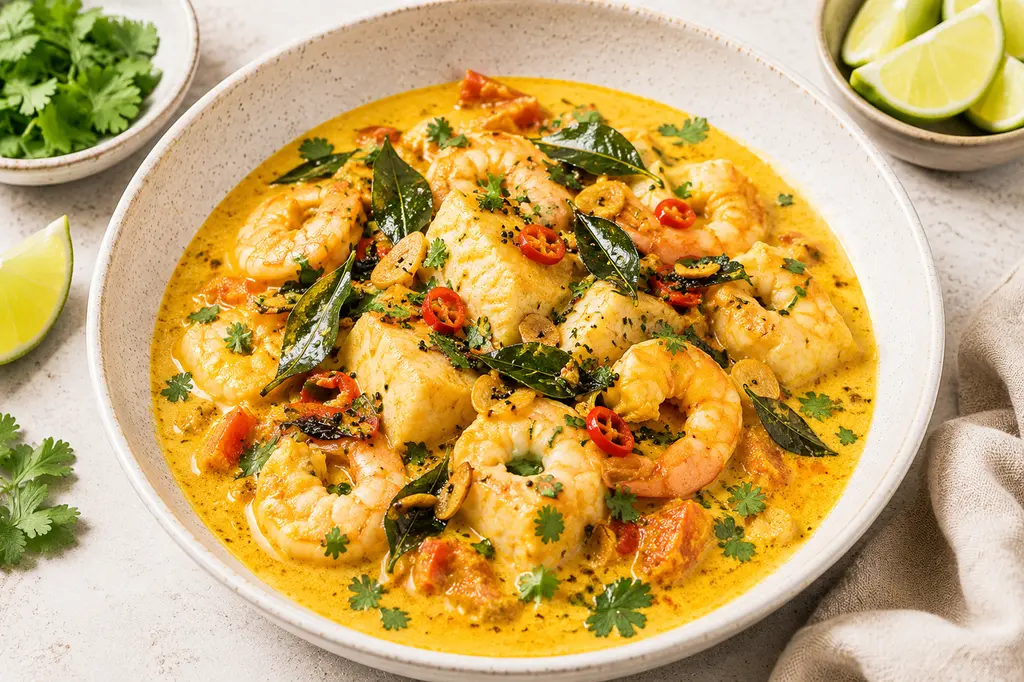
Coconut Turmeric Seafood Curry


Ingredients
- 400g Firm White Fish Fillets, cut into large chunks
- 250g Raw Peeled King Prawns
- 1 tablespoon Vegetable Oil
- 1 Large Onion, finely sliced
- 3 Garlic Cloves, finely grated
- 20g Fresh Ginger, finely grated
- 1 teaspoon Ground Turmeric
- 1 teaspoon Ground Cumin
- 1 teaspoon Ground Coriander
- 1/2 teaspoon Chilli Powder
- 400ml Full-Fat Coconut Milk
- 150ml Fish or Vegetable Stock
- 2 Medium Tomatoes, roughly chopped
- 1 teaspoon Soft Brown Sugar
- 1 Lime
- Sea Salt, to taste
- 15g Fresh Coriander, roughly chopped
- 2 tablespoons Vegetable Oil, for the drizzle
- 12 Fresh Curry Leaves
- 2 Garlic Cloves, thinly sliced
- 1 Fresh Red Chilli, thinly sliced
- 1/2 teaspoon Black Mustard Seeds
Instructions
- Heat 1 tablespoon of vegetable oil in a large, deep frying pan over medium heat.
- Add the onion and cook for 6–8 minutes until soft and lightly golden.
- Add the grated garlic and ginger and cook for 1 minute until fragrant.
- Stir in the turmeric, cumin, ground coriander, and chilli powder and cook for another 30 seconds.
- Add the chopped tomatoes and cook for 3–4 minutes until they begin to soften and break down.
- Pour in the coconut milk and stock, add the brown sugar, and season with salt.
- Bring the sauce to a gentle simmer and cook for 8–10 minutes until slightly reduced and aromatic.
- Add the chunks of white fish and simmer gently for 3 minutes.
- Add the prawns and continue cooking for another 3–4 minutes until the prawns are pink and the fish is just cooked through.
- Squeeze in the juice of half the lime and gently stir through the fresh coriander.
- To make the drizzle, heat 2 tablespoons of vegetable oil in a small frying pan over medium heat.
- Add the mustard seeds and cook until they begin to pop.
- Add the curry leaves, sliced garlic, and red chilli and fry for 30–60 seconds until the garlic is lightly golden and the curry leaves are crisp.
- Remove the curry leaf mixture from the heat immediately to prevent the garlic from burning.
- Spoon the hot curry into shallow bowls and drizzle over the fragrant curry leaf, garlic, and chilli oil.
- Serve immediately with the remaining lime cut into wedges.
Tips
- Use firm white fish such as cod, haddock, or hake so the pieces hold their shape while gently simmering in the coconut curry.
- Add the seafood only near the end of cooking, as both fish and prawns can become dry or rubbery when simmered for too long.
- Watch the garlic carefully when making the finishing drizzle—it should become lightly golden and crisp but can turn bitter very quickly if allowed to burn.
Variations
- Mussel and Prawn Curry: Replace the white fish with cleaned mussels and cook them in the coconut sauce until they open before adding the prawns.
- Extra-Spicy Seafood Curry: Add a finely chopped green chilli with the ginger and increase the fresh chilli in the finishing drizzle.
Storage
Store leftover seafood curry in an airtight container in the refrigerator for up to 2 days. Reheat gently until piping hot to avoid overcooking the fish and prawns. The curry leaf drizzle is best prepared fresh for serving.
Serving Suggestions
- Serve with steamed basmati rice to soak up the fragrant coconut and turmeric sauce.
- Pair with warm naan or flatbread and a fresh cucumber salad dressed with lime for a complete meal.
Frequently Asked Questions
What seafood works best in coconut curry?
Firm white fish and large prawns work particularly well because they cook quickly while retaining their texture in the coconut sauce. Mussels or scallops can also be used.
What do curry leaves taste like?
Fresh curry leaves have a distinctive citrusy, savoury, and slightly nutty aroma. Frying them briefly in hot oil releases their flavour and makes them crisp.
Can I make coconut turmeric seafood curry ahead of time?
The coconut curry sauce can be prepared ahead, but the seafood is best added shortly before serving so the fish remains tender and the prawns do not overcook.
You may also like
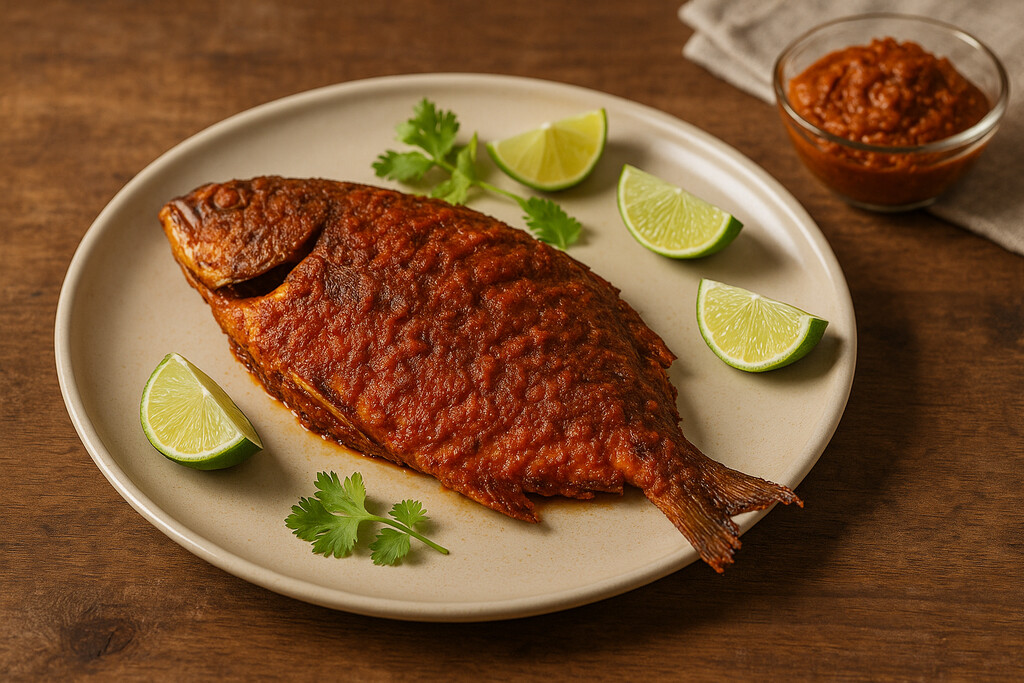
Recheado Masala Fish
40 min
 40 min
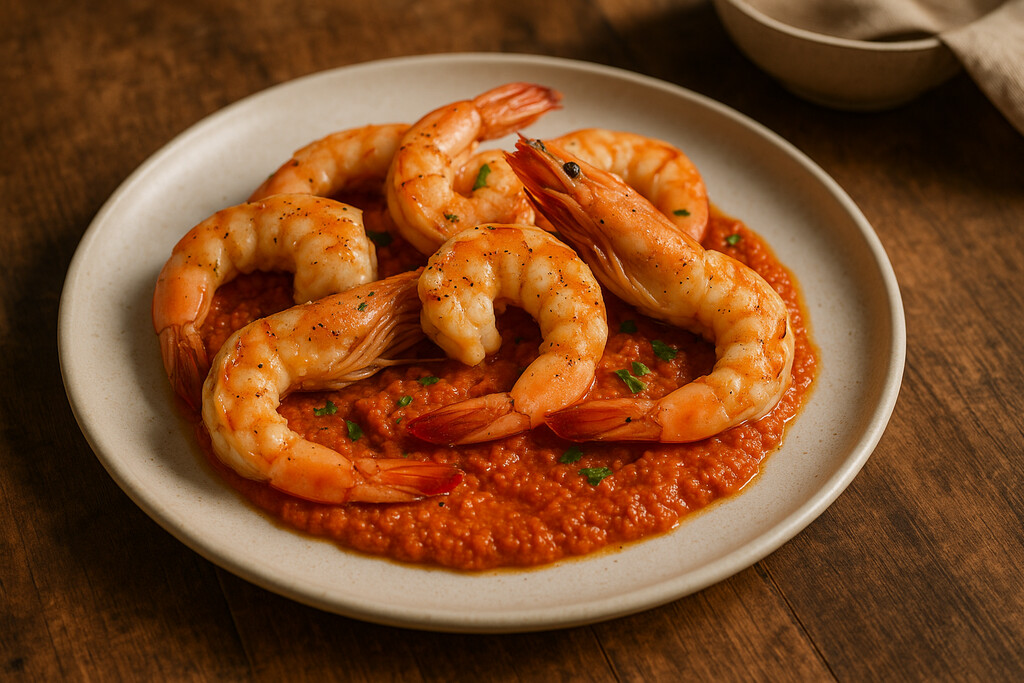
Prawns with Romesco sauce
35 min
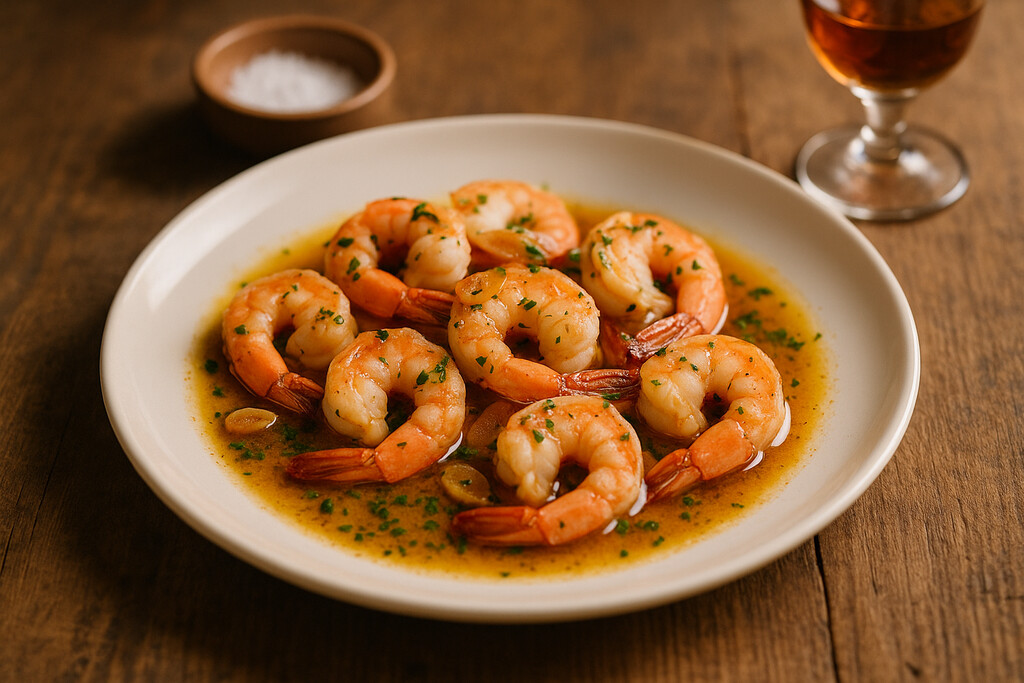
Garlicky prawns with sherry
12 min
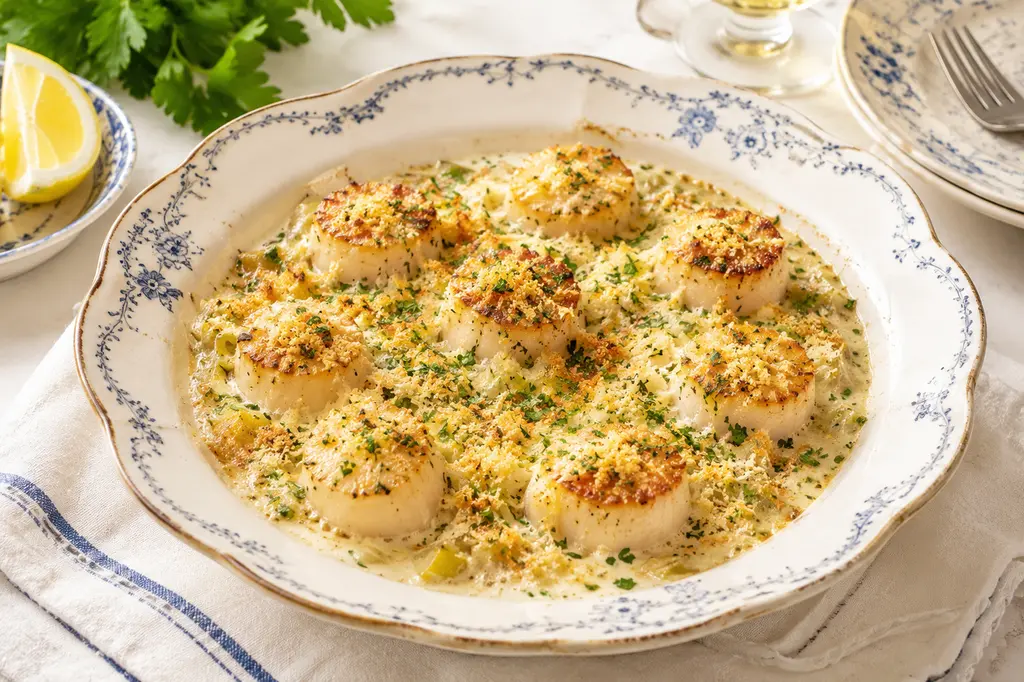
Scallops à la Bretonne
35 min
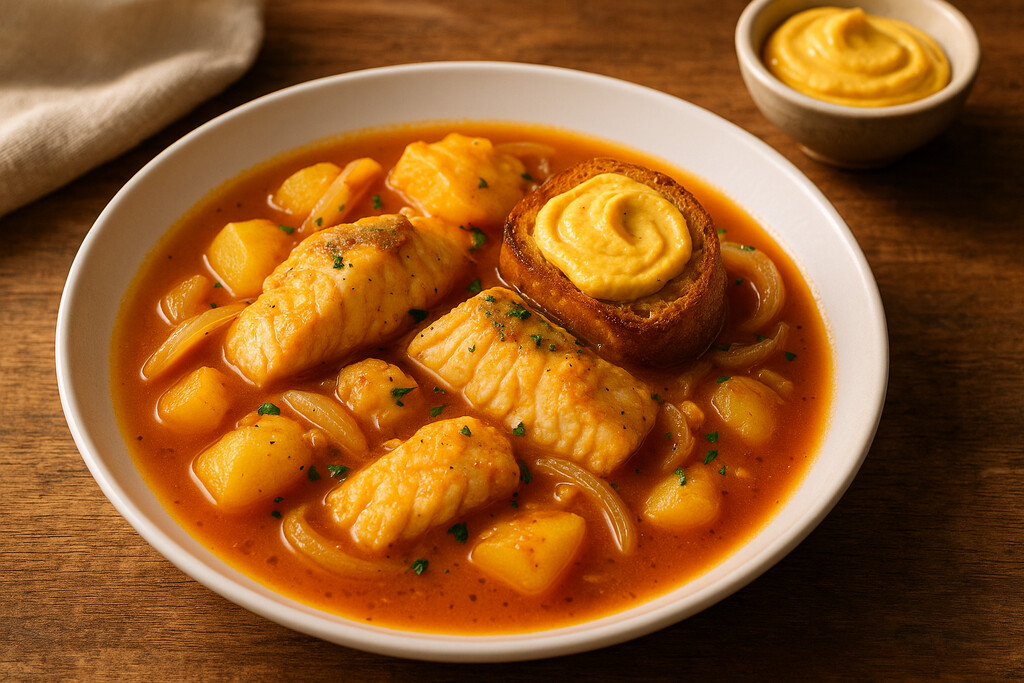
Fish Stew with Rouille
1 h
5 min
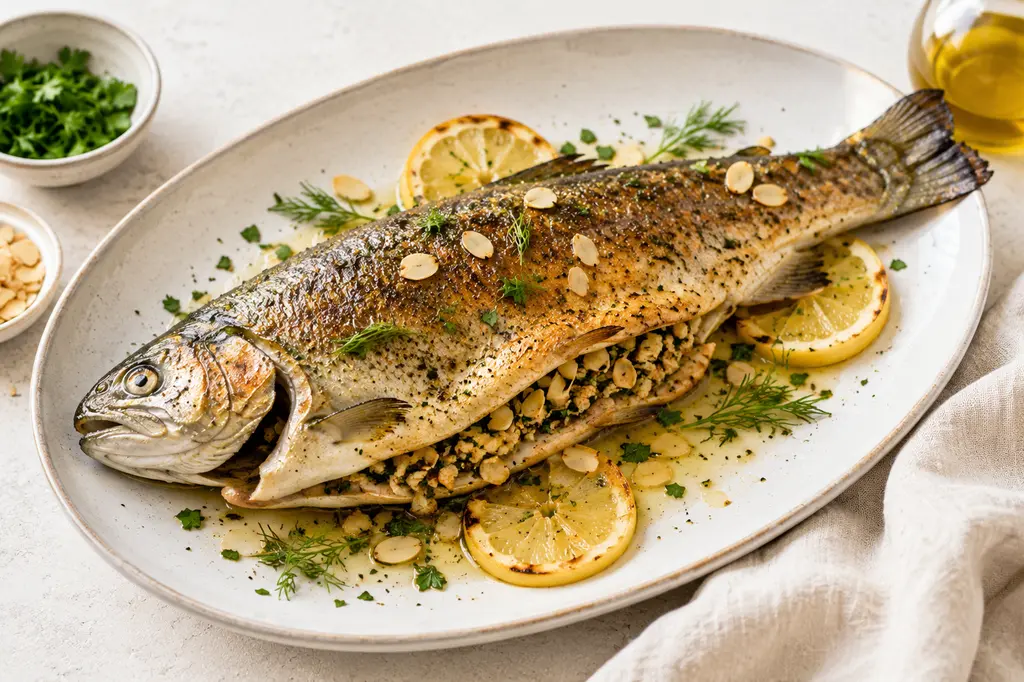
Whole Roast Trout with Almond & Herb Stuffing
45 min
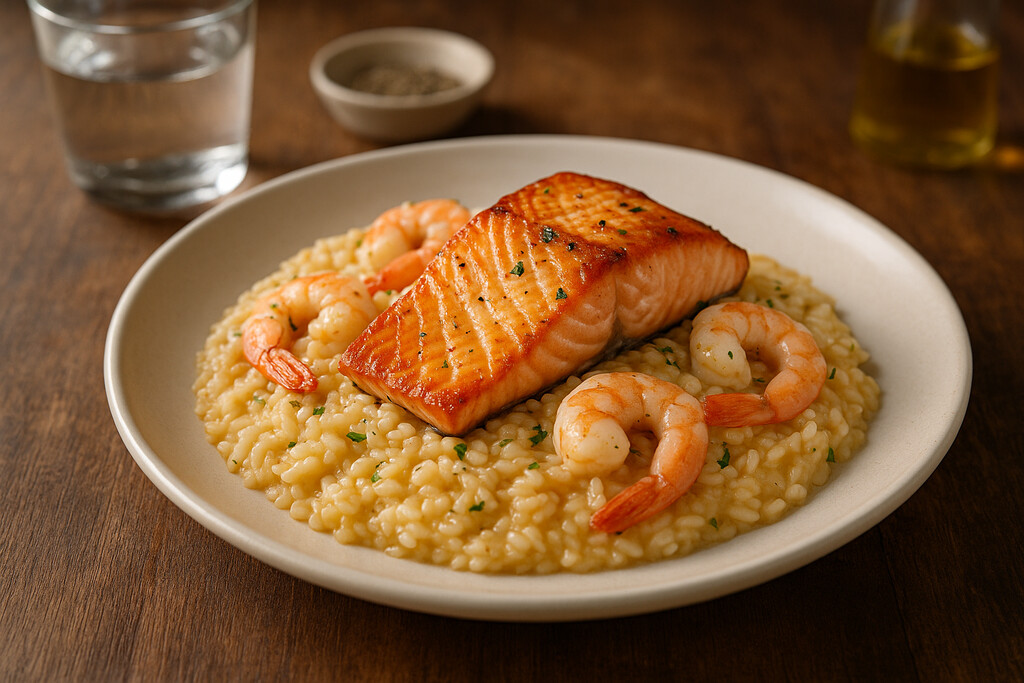
Salmon Prawn Risotto
1 h

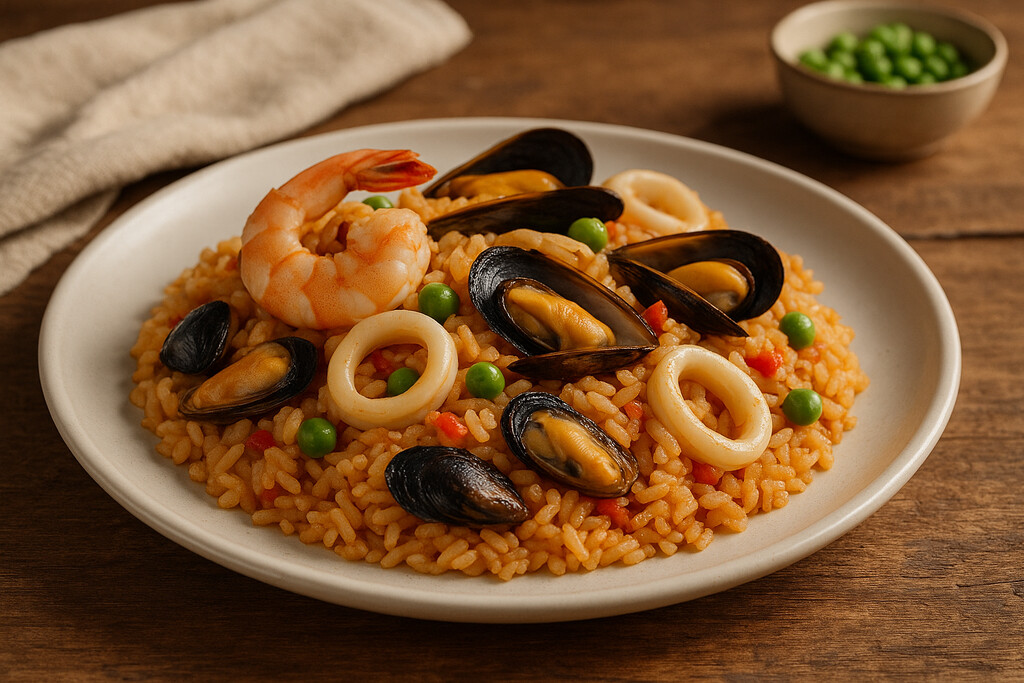
Seafood rice
1 h
15 min
instructions_source: editorial-classic