Lemon
Lemons have a long and fascinating history in cooking. They are believed to have originated in regions of Northeast India, China, and Myanmar, where they were cultivated more than 2,000 years ago. Lemons reached the Mediterranean through Arab trade routes around the 10th–11th centuries and quickly became an important ingredient in local cuisines. Initially, they were valued not only for their flavor but also for their preservative properties—lemon juice was used as a natural way to extend the shelf life of foods. Over time, lemons became a staple in European and Middle Eastern recipes.
In cooking, lemons are used in many forms and play multiple roles. Fresh juice is added to sauces, salads, fish, and meat to enhance flavor and add brightness and acidity. Zest (the outer peel) provides an intense aroma and is widely used in baking, desserts, and drinks. Lemon peels are also used to make jams and candied citrus—these develop a soft texture, a slight bitterness, and a rich citrus flavor, making them a delicious dessert or a complement to pastries. In some cuisines, preserved lemons (such as in Moroccan cooking) are popular for their deep, slightly fermented taste. Overall, lemon helps balance dishes—it can cut through richness, enhance sweetness, and bring all the flavors together.
Nutritionists value lemons for both their functional role in cooking and their health benefits. They are rich in vitamin C, antioxidants, and organic acids that support digestion and help the body absorb iron from other foods. Adding lemon juice to dishes can reduce the need for salt by naturally enhancing flavor. Additionally, the acids in lemons stimulate saliva and gastric juices, improving digestion. Thanks to their combination of culinary versatility and nutritional value, lemons are considered an essential ingredient in a healthy and balanced diet.
Recipes with lemon

Chicken wings with cumin, lemon & garlic
 55 min

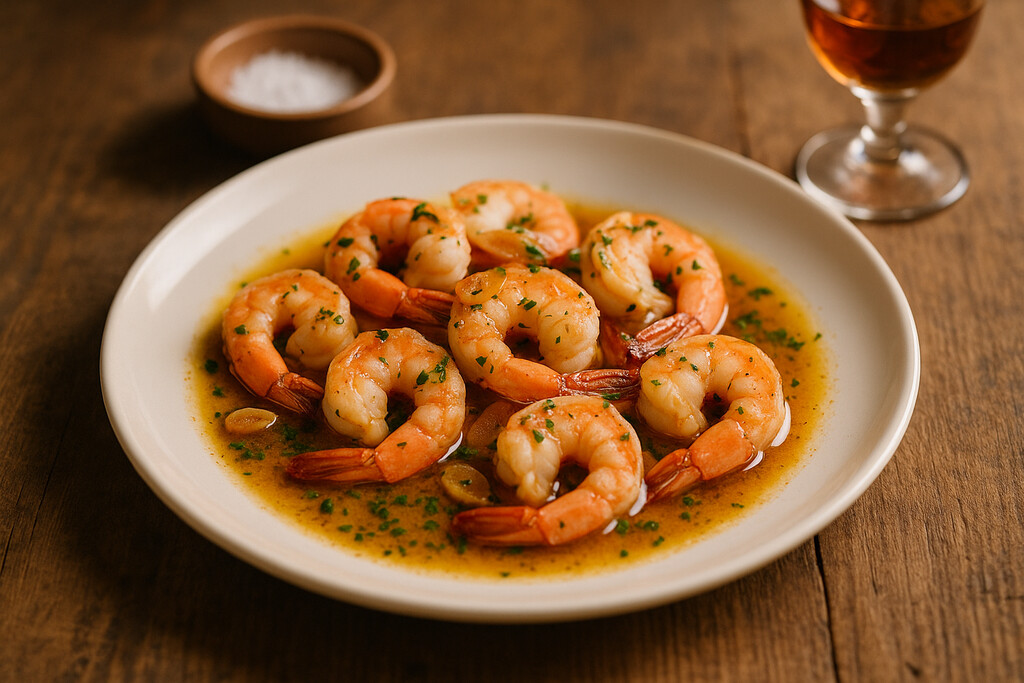
Garlicky prawns with sherry


Key Lime Pie

Slow-roasted ham with lemon, garlic & sage