
Hodge Podge


Ingredients
- 1 lb New Potatoes
- 1 lb Carrots
- 1 cup Green Beans
- 1/2 cup Peas
- 1 tablespoon Dill
- 1 tablespoon Chives
- 3 Cups Milk
- 70g Heavy Cream
- 30g Butter
- 1/2 tsp Salt
- 1/4 tsp Black Pepper

Instructions
- Begin by cooking the vegetables. Bring a large pot of salted water to the boil. Add the potatoes and carrots and parboil for about five minutes, until just tender. In the same pot, blanch the green beans and peas for around one minute. Drain all the vegetables and set aside.
- In a heavy-bottomed pot or Dutch oven, melt the butter over medium heat. Add the cooked vegetables and warm them through gently, stirring to coat.
- Pour in the milk and cream and bring to the boil. Immediately reduce the heat to low and season with salt and black pepper.
- Stir in the dill and chives and allow the mixture to simmer gently for at least 10 minutes.
- Serve warm.
Tips
- Use the freshest seasonal spring vegetables you can find for the best flavor.
- Cook the vegetables in stages—starting with potatoes and carrots, and adding peas and beans at the end.
- Use plenty of butter and heavy cream to create the signature rich, milky broth.
Variations
- Add cooked salt pork or bacon bits for a savory, meaty depth.
- Include seafood like scallops or lobster for a ‘maritime’ luxury version.
Storage
Store in the fridge for up to 2 days. Reheat gently on the stove; do not boil, or the cream may separate.
Serving Suggestions
- Serve in deep bowls with a side of buttered rolls or biscuits.
- Garnish with fresh chives or parsley for a bright finish.
Frequently Asked Questions
What exactly is Hodge Podge?
It is a traditional Atlantic Canadian (specifically Nova Scotian) vegetable stew made with cream and butter.
Do I have to use heavy cream?
You can use whole milk, but the result will be less rich and velvety.
Is it a summer or winter dish?
It is traditionally a summer dish, made when the first ’new’ vegetables are harvested from the garden.
You may also like

Chicken & mushroom Hotpot
1 h
30 min
 1 h
30 min
1 h
30 min

Chicken Parmentier
1 h
50 min

Chorizo, potato & cheese omelette
50 min

Chorizo & soft-boiled egg salad
25 min
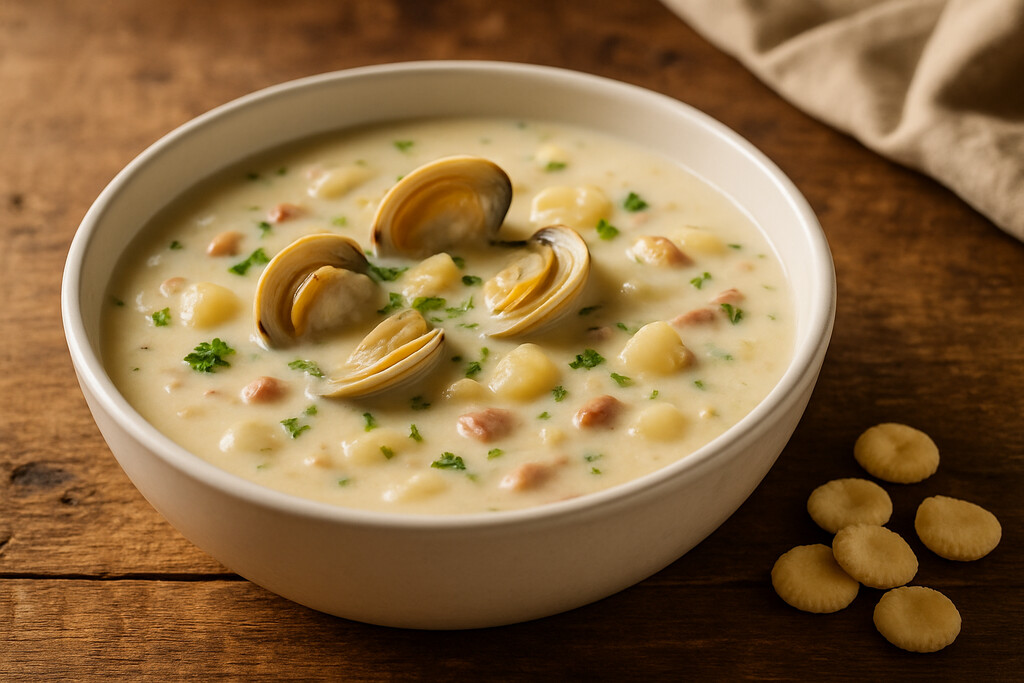
Clam chowder
45 min

Classic Tourtière
1 h
30 min
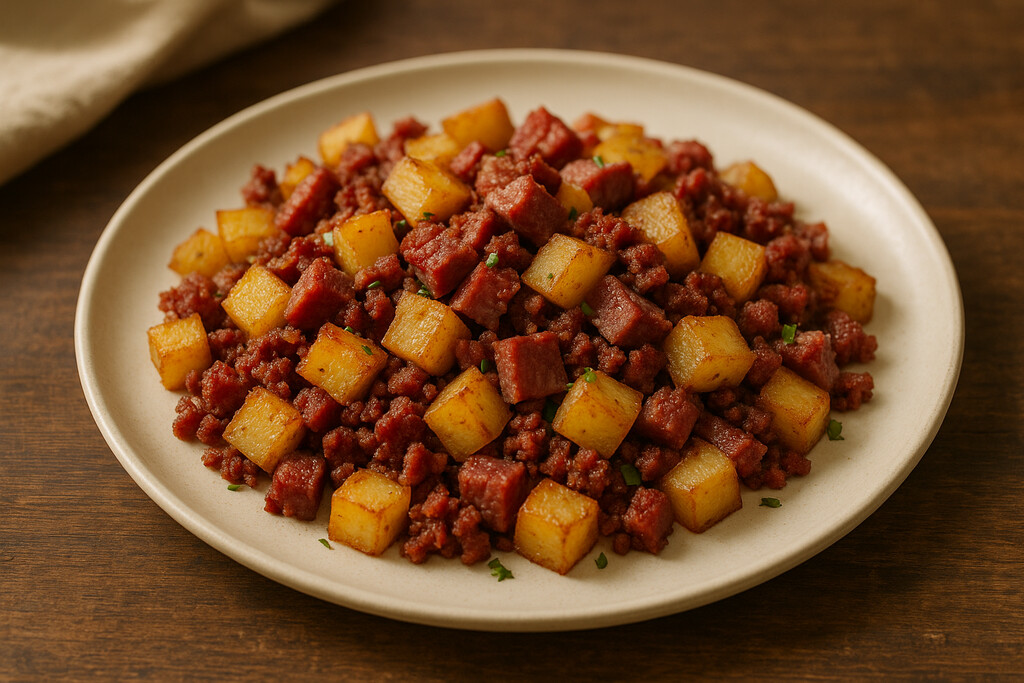
Corned Beef Hash
35 min

Creamy Tomato Soup
45 min
instructions_source: editorial-classic