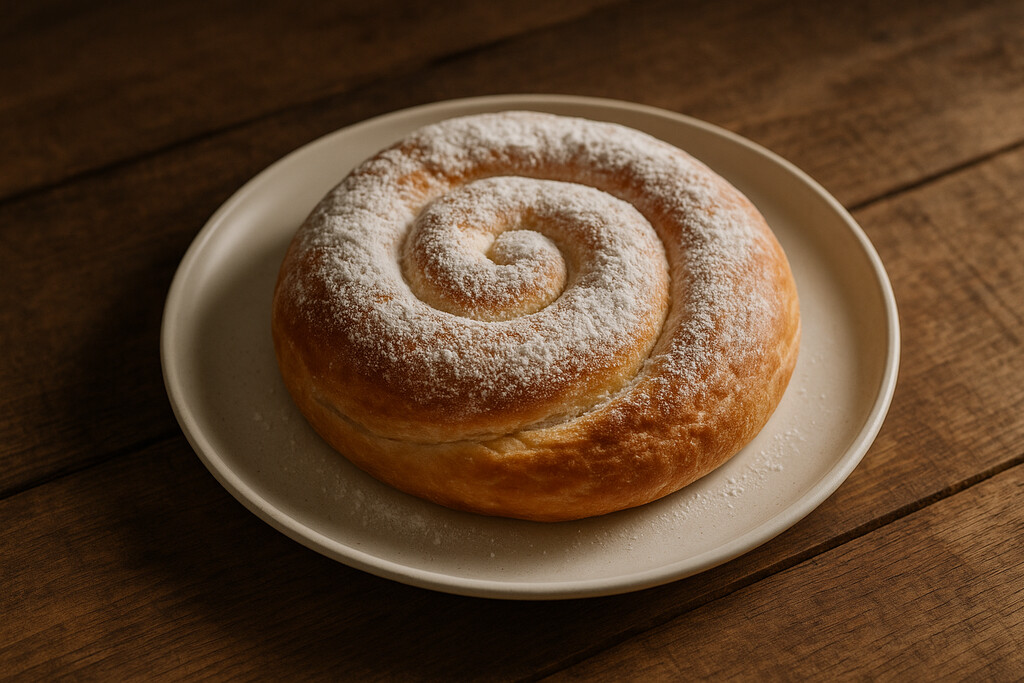
Ensaimada


Ingredients
- 5g Yeast
- 200g Caster Sugar
- 2 medium Egg
- 600g Strong white bread flour
- Drizzle Vegetable Oil
- 100g Lard

Instructions
- Pour 230 ml of lukewarm water into a bowl and add the yeast. Leave for 3 minutes, then add the caster sugar, eggs, flour and 1 teaspoon of sea salt. Mix to form a dough, then knead in a stand mixer with a dough hook for about 10 minutes (or 15 minutes by hand) until smooth, elastic and almost translucent when stretched. Cover and rest for 30 minutes.
- Divide the dough into four equal pieces. Place them on a baking tray lined with parchment, cover and rest for another 30 minutes.
- Lightly oil the work surface and rolling pin. Working with one piece at a time, flatten the dough with your palm, then roll it into a thin rectangle about 30 × 50 cm. Rest for 2 minutes, then spread one quarter of the lard evenly over the surface. Gently stretch the dough from the edges until it reaches roughly 50 × 70 cm and becomes almost transparent.
- Cut a narrow strip from each short side and lay them along one long edge to form the centre of the ensaimada. Starting from this edge, roll the dough into a long rope. Repeat with the remaining dough pieces.
- Stretch each rope until over 1 metre long, then coil it into a spiral, leaving about 1 cm between each turn to allow for expansion. Flatten slightly and transfer to a parchment-lined baking tray.
- Cover and leave to rise in a warm place for at least 12 hours, ideally 24 hours.
- Preheat the oven to 200°C (180°C fan). Place the ensaimadas in the top third of the oven and immediately reduce the temperature to 180°C (160°C fan). Bake for about 18 minutes until deep golden. Cool on a wire rack.
- If desired, slice open and fill with whipped cream. Dust generously with icing sugar before serving.
Tips
- Roll the dough as thin as possible—almost translucent—before brushing with lard to ensure the characteristic flaky layers.
- Allow the dough plenty of time to rise, especially the final proof after shaping the coil, for a light and airy texture.
- Traditional ensaimada uses pork lard (saïm), which gives it its name and unique flavor; use high-quality leaf lard if available.
Variations
- Cabell d’Àngel: Fill the dough with pumpkin jam (angel hair) before rolling it into a spiral.
- Chocolate Ensaimada: Spread a thin layer of cocoa cream or chocolate chips inside the dough before coiling.
Storage
Store in a cool, dry place wrapped in parchment or a paper bag for up to 2 days. Dust with fresh powdered sugar just before eating if it has absorbed into the pastry.
Serving Suggestions
- Enjoy with a cup of thick Spanish hot chocolate for dipping.
- Serve as a breakfast pastry alongside a café con leche.
Frequently Asked Questions
Can I use butter instead of lard?
You can, but the texture will be more like a brioche or croissant; lard is essential for the traditional Mallorcan finish.
How do I get the spiral shape right?
Roll the dough into a long rope, then coil it loosely like a snail shell, leaving some space for it to expand as it rises.
Why is my ensaimada dense?
This usually happens if the dough hasn’t proofed long enough or if the flour used was too low in protein.
You may also like
Rocky Road Fudge
30 min
 30 min
Rogaliki (Polish Croissant Cookies)
1 h
5 min
Salted Caramel Cheesecake
50 min
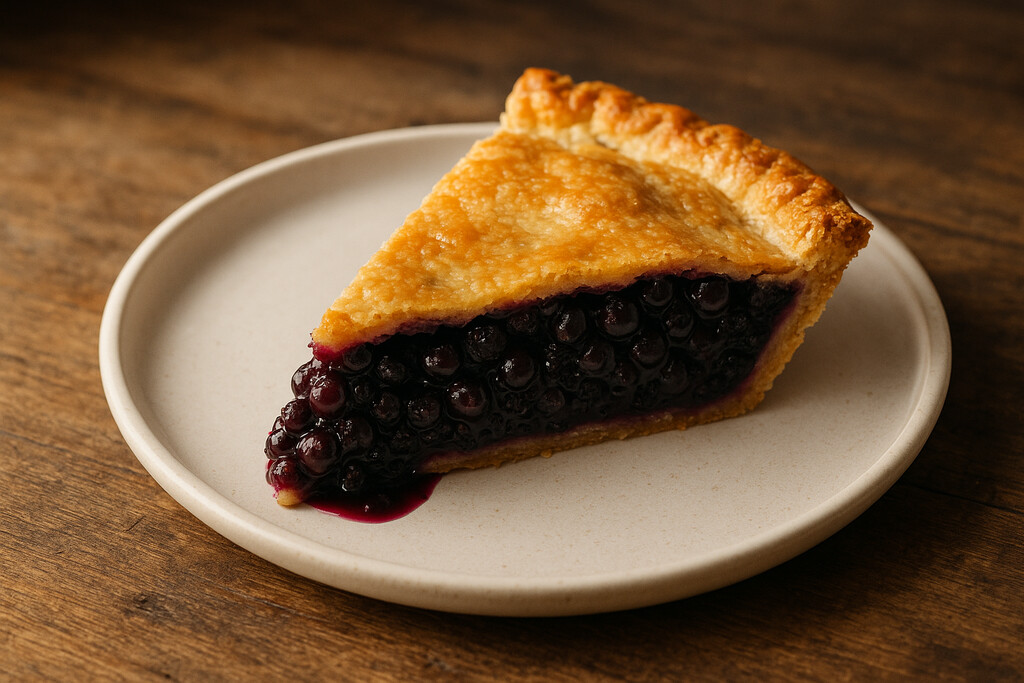
Saskatoon Pie
1 h
35 min
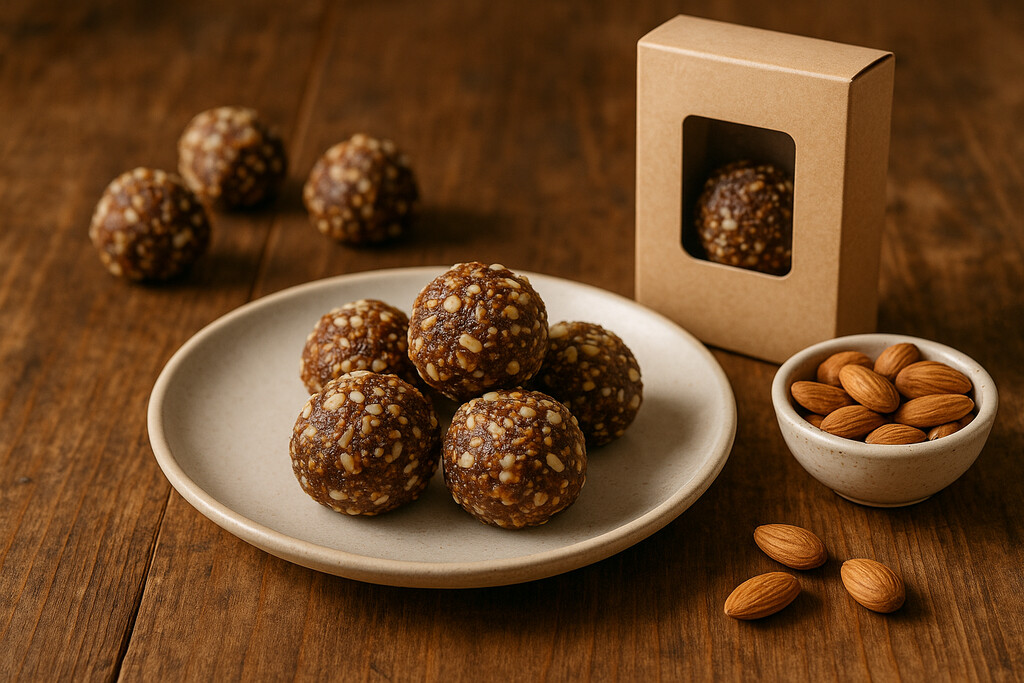
Spanish fig & almond balls
35 min
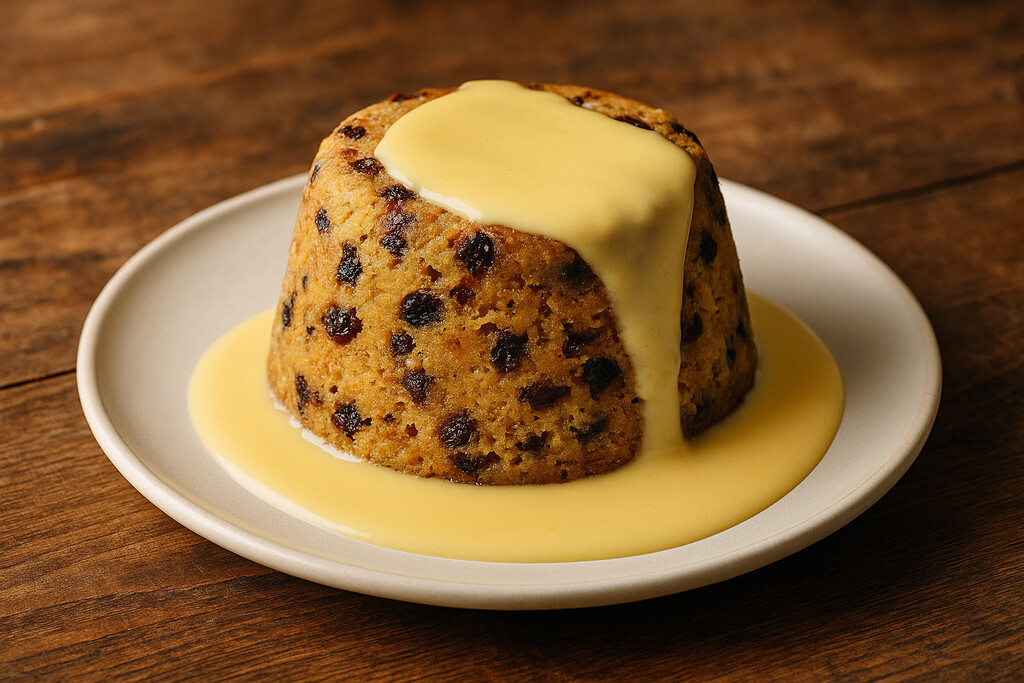
Spotted Dick
2 h
30 min
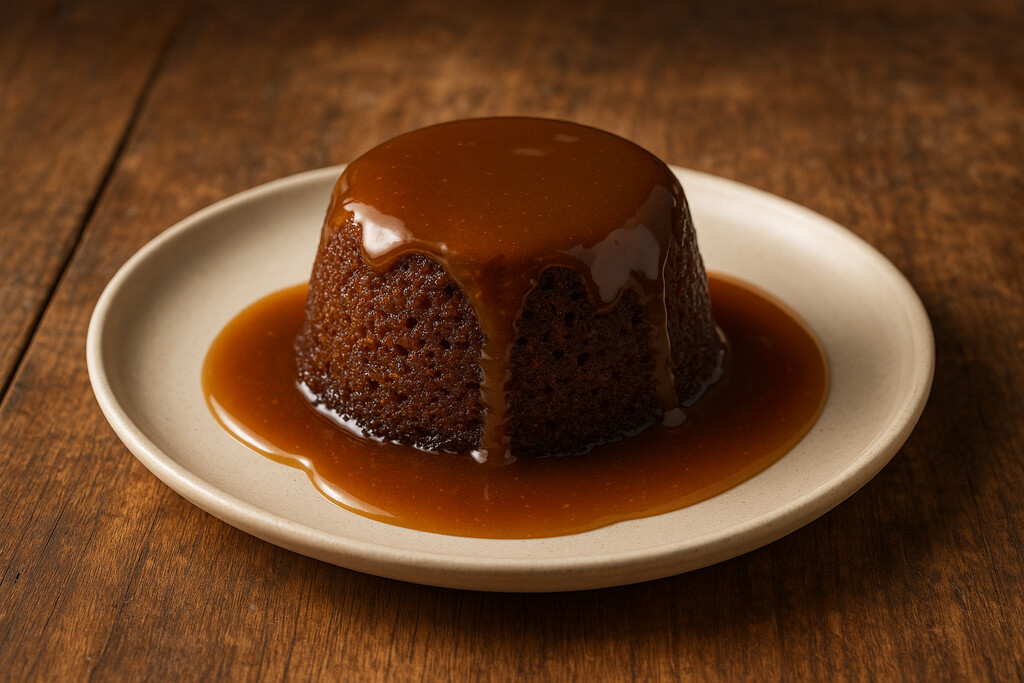
Sticky Toffee Pudding
1 h
10 min
Sticky Toffee Pudding Ultimate
1 h
10 min
instructions_source: editorial-classic