Cheese
Cheese has a rich history that dates back thousands of years. It is believed to have been discovered accidentally around 7,000–8,000 years ago, when early humans began storing milk in containers made from animal stomachs, causing it to curdle due to natural enzymes. Cheese-making techniques spread across Europe and the Middle East, becoming an essential part of many cultures. Over time, different regions developed their own traditional cheeses, influenced by local climates, milk types, and aging methods.
In cooking, cheese is incredibly diverse and used in countless ways. There are fresh cheeses like mozzarella and ricotta, which are soft and mild, as well as aged cheeses like cheddar and parmesan, known for their stronger, more complex flavors. Soft cheeses such as brie and camembert have a creamy texture, while blue cheeses like gorgonzola and roquefort are known for their bold, tangy taste. Cheese can be melted into sauces, grated over dishes, baked into recipes, or served on its own. Its ability to add richness, depth, and texture makes it a key ingredient in both simple and sophisticated cuisine.
Professional nutritionists consider cheese to be both nutritious and energy-dense. It is a good source of high-quality protein, calcium, and important vitamins such as A and B12, which support bone health and overall body function. Cheese also contains beneficial fats that contribute to satiety. However, because it can be high in saturated fat and salt, experts recommend consuming it in moderation as part of a balanced diet. When chosen wisely, cheese can be a valuable and enjoyable component of healthy eating.
Recipes with cheese

Chicken Fajita Mac and Cheese
 1 h
1 h

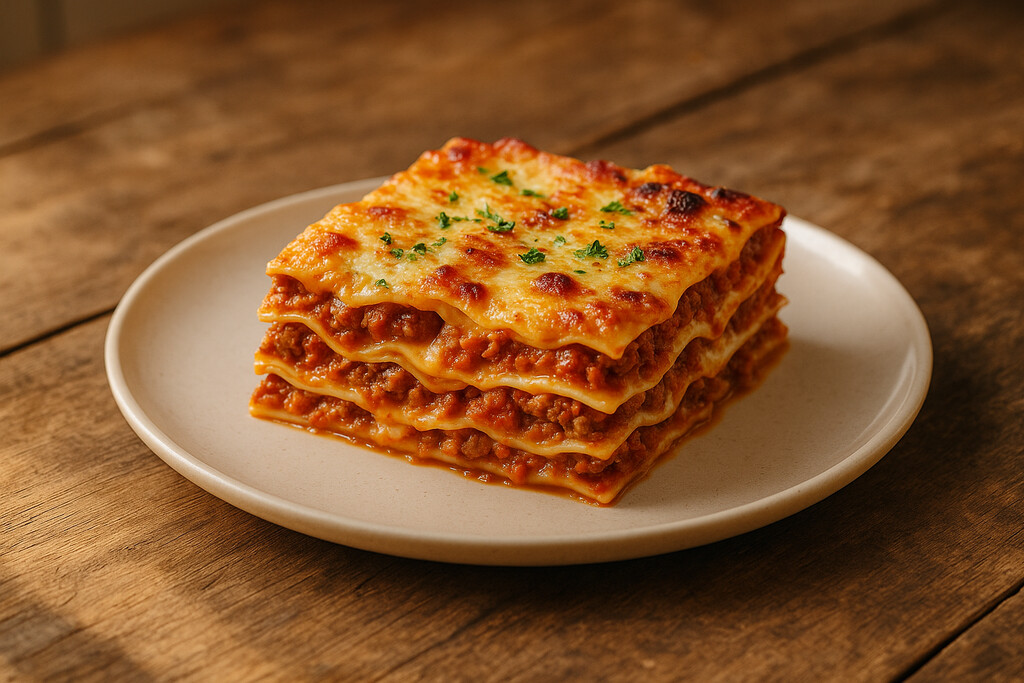
Lasagne


Spaghetti with Spanish flavours

Zapiekanki