Beef
Beef has been an important part of human diets for thousands of years. Cattle were domesticated around 8,000–10,000 years ago in regions of the Middle East and South Asia, becoming a key source of meat, milk, and labor. In many ancient cultures, including those of Mesopotamia and later Europe, cattle symbolized wealth and status. Over time, beef became a central ingredient in numerous culinary traditions around the world, from European roasts to Asian stir-fries and American steaks.
In cooking, beef is valued for its rich flavor and wide variety of cuts, each suited to different methods of preparation. Tender cuts like tenderloin and ribeye are ideal for quick cooking methods such as grilling or pan-searing, while tougher cuts like brisket and chuck benefit from slow cooking, braising, or stewing. Premium types of beef hold a special place in gastronomy, such as Japanese Wagyu and Kobe beef, which are famous for their intense marbling, buttery texture, and rich flavor. Other high-quality categories include USDA Prime beef and grass-fed Argentine beef, both known for their superior standards and distinct taste profiles. These elite varieties are often used in fine dining and require minimal seasoning or processing to highlight their natural qualities. Ground beef is also widely used in dishes like burgers, meatballs, and sauces, showcasing beef’s versatility across cuisines.
Nutritionists recognize beef as a nutrient-dense food when consumed in moderation. It is an excellent source of high-quality protein, as well as essential nutrients such as iron (particularly heme iron, which is easily absorbed), zinc, and B vitamins, especially B12. These nutrients support energy levels, immune function, and red blood cell production. However, due to its higher content of saturated fat compared to some other protein sources, experts often recommend choosing lean cuts and maintaining a balanced intake as part of a healthy diet.
Recipes with beef
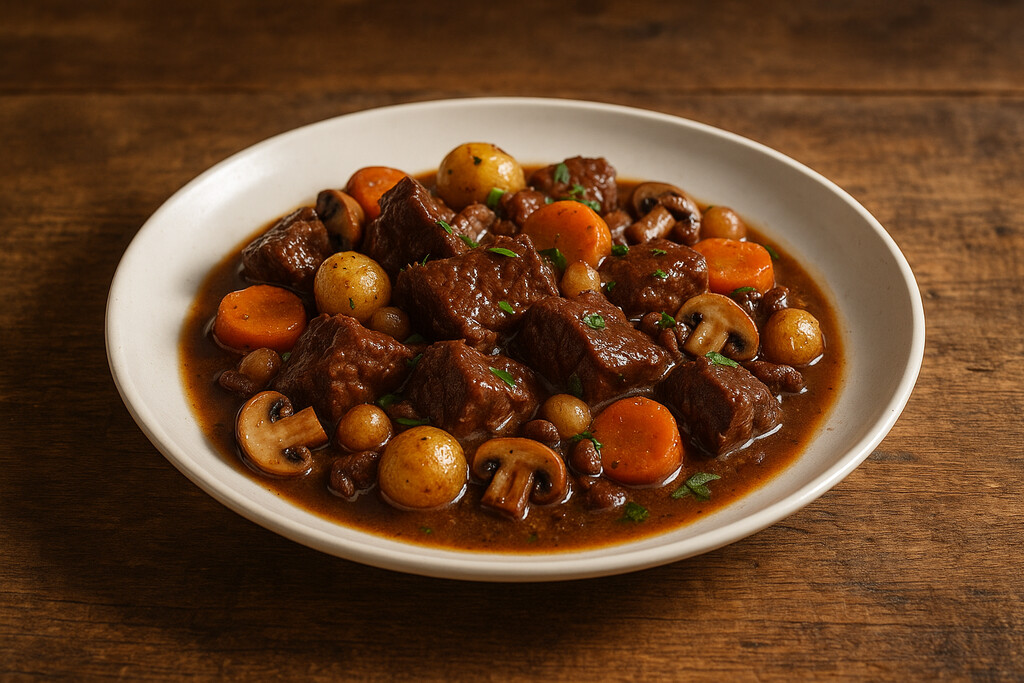
Beef Bourguignon
 3 h
30 min
3 h
30 min

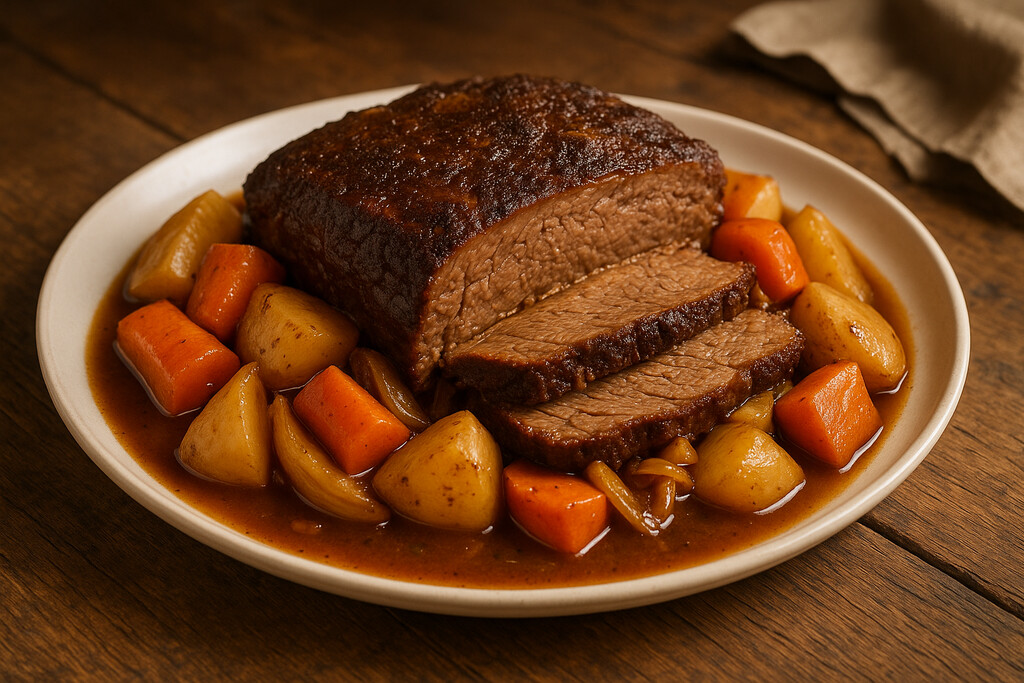
Beef Brisket Pot Roast

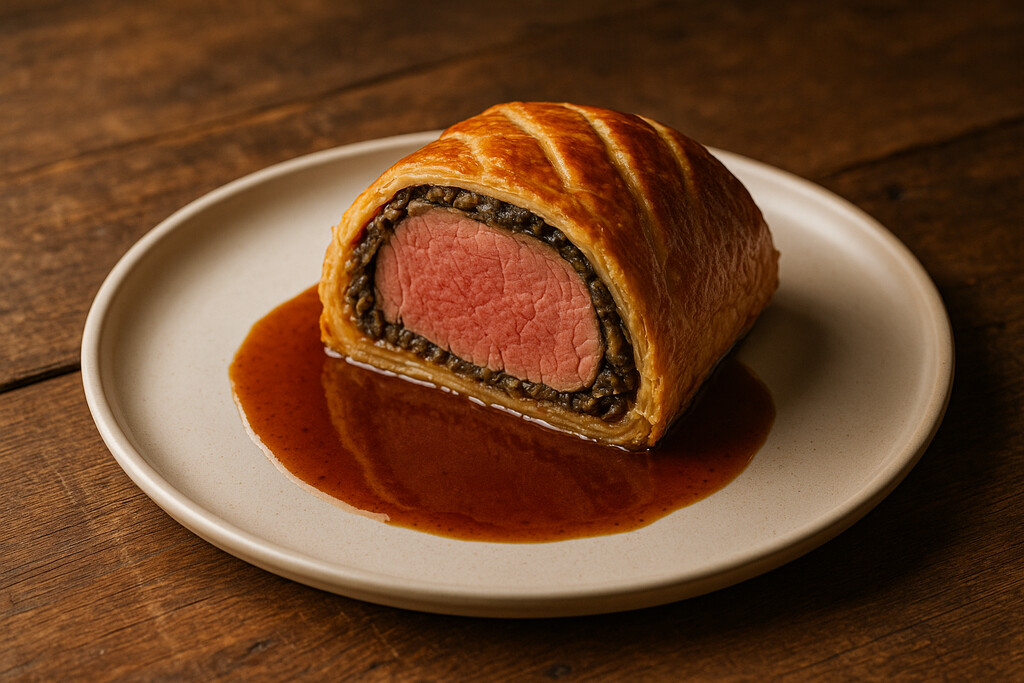
Beef Wellington
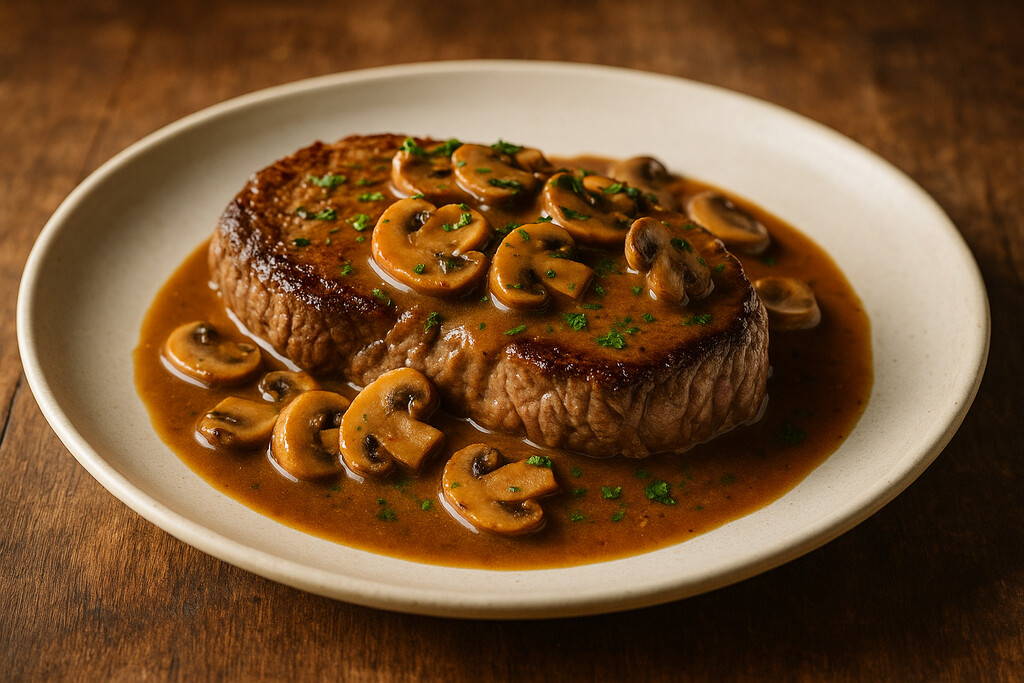
Steak Diane